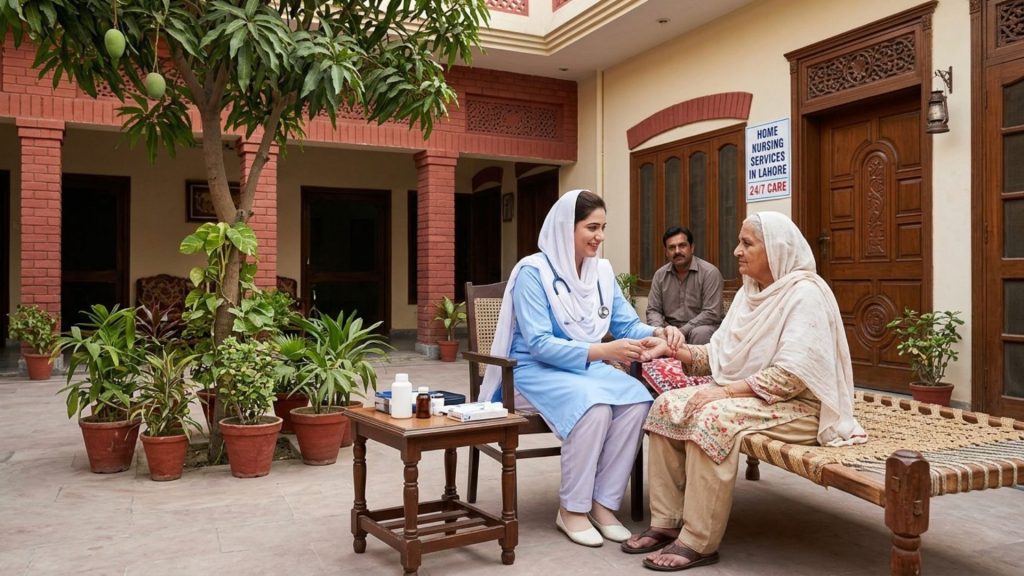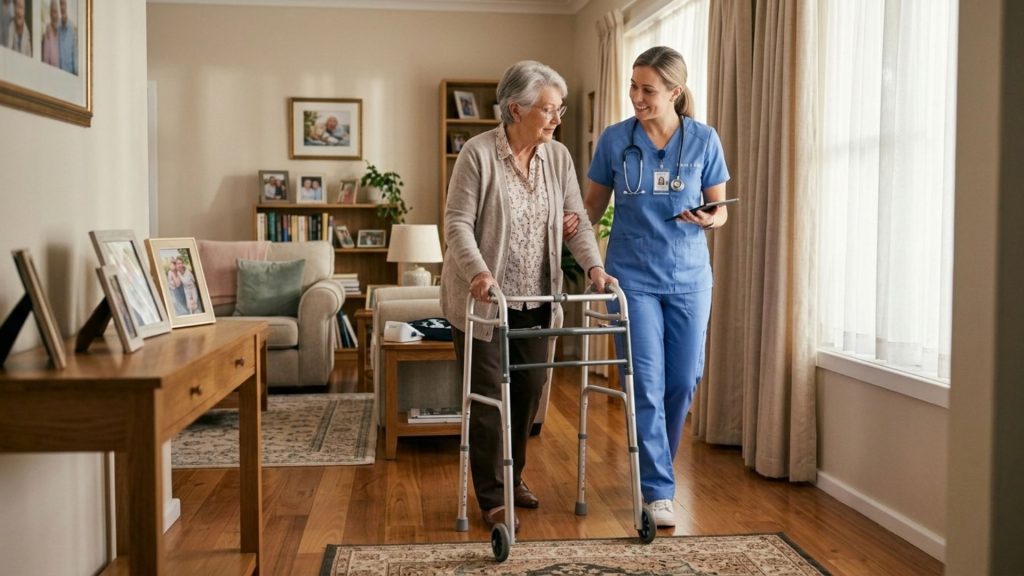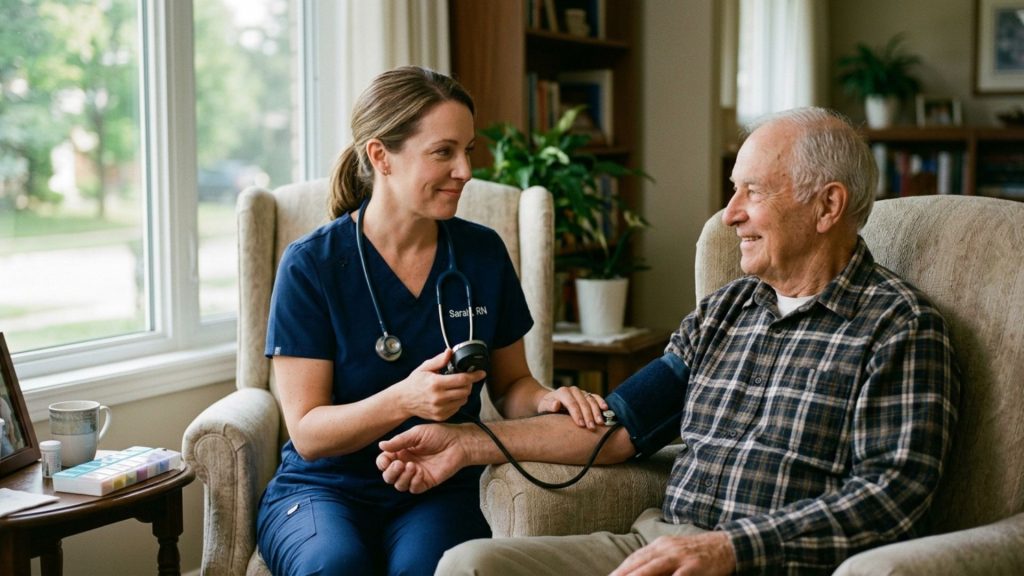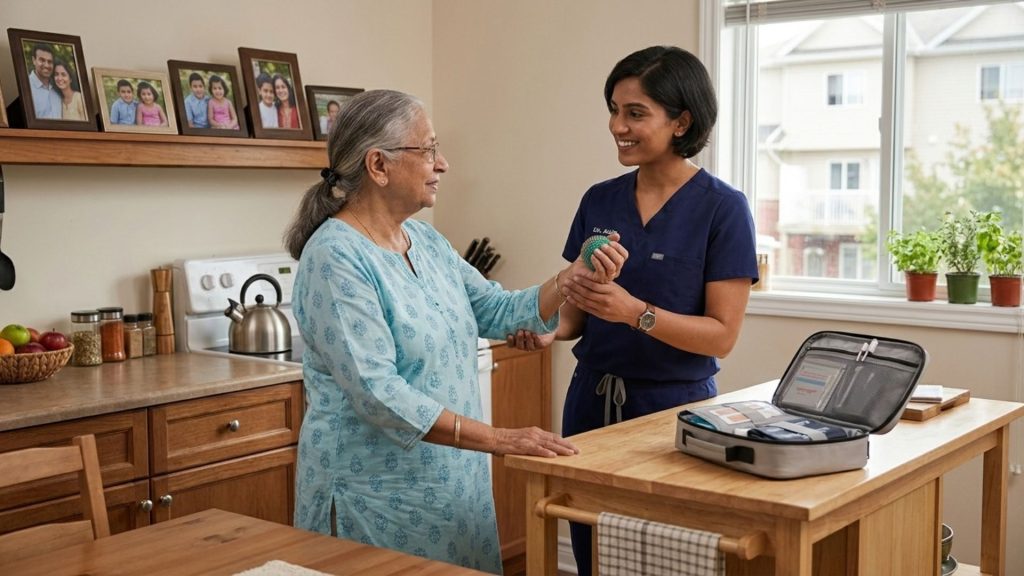
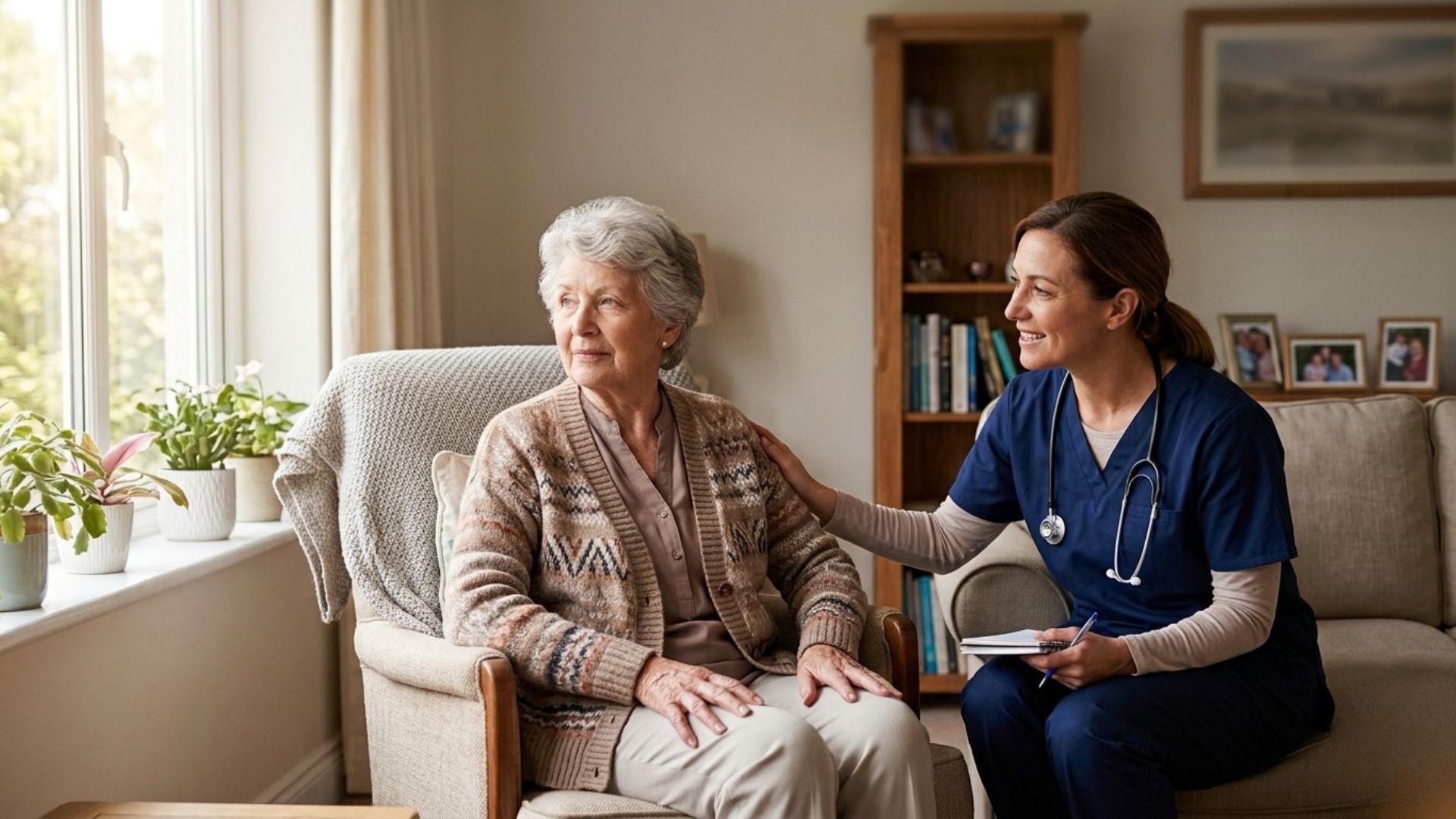
When a parent, spouse, or relative starts struggling at home, the change can happen quietly. You may notice missed medicines, repeated falls, poor hygiene, or trouble moving around. These are important signs your loved one needs home nursing care.
Home nursing can provide skilled support while helping a person remain in a familiar setting. However, not every care need requires a nurse. Some people need help with daily tasks, while others need clinical care. Understanding the difference helps you choose wisely. This guide explains the main signs your loved one needs home nursing care, what nurses can do, and when professional medical attention becomes necessary.
Read More: https://lahorehomemedicalcare.com/benefits-of-home-medical-care-vs-hospital/
What Is Home Nursing Care?
Home nursing care brings qualified nursing support to a person’s home. It can help people recovering from illness, surgery, injury, or a difficult health change. Depending on the care plan, a nurse may monitor health, provide wound care, support prescribed treatments, educate family caregivers, and watch for changes that need medical attention. The National Institute on Aging notes that home health services can support needs involving medications, wounds, medical equipment, physical therapy, and chronic conditions.
Knowing the difference between nursing and ordinary home assistance is important. A caregiver or home health aide may help with bathing, dressing, meals, or companionship. A nurse handles clinical needs that require professional training. Therefore, one of the clearest signs your loved one needs home nursing care is when their daily routine includes medical tasks that family members cannot safely manage.
| Care Need | Typical Type of Support |
|---|---|
| Bathing and dressing | Personal care assistance |
| Meal preparation | Home care assistance |
| Companionship | Companion care |
| Wound treatment | Skilled nursing |
| Clinical monitoring | Skilled nursing |
| Certain prescribed treatments | Skilled nursing |
Signs Your Loved One Needs Home Nursing Care
The first warning sign is usually a noticeable change in normal behavior or ability. Your loved one may suddenly struggle with medication, walking, eating, hygiene, or medical routines. The National Institute on Aging identifies falls, confusion, poor hygiene, weight changes, and difficulty walking as possible signs that an older adult needs additional support.
Another important clue is repeated difficulty rather than one isolated incident. Everyone forgets something occasionally. One missed pill does not automatically mean nursing care is necessary. However, repeated problems can signal a deeper issue. If you keep seeing the same concerns, the signs your loved one needs home nursing care deserve a closer look.
Difficulty Managing Daily Activities
Struggling with bathing, dressing, eating, toileting, or getting out of bed can indicate declining independence. These tasks are called activities of daily living. When health problems make them difficult, your loved one may need additional support at home.
However, daily assistance alone does not always mean a nurse is required. A trained aide may provide personal care. If the difficulty comes from a medical condition or requires clinical assessment, nursing support may be more appropriate. That distinction matters when evaluating the signs your loved one needs home nursing care.
Problems With Medication
Medication mistakes can become dangerous quickly. Your loved one may forget doses, take medicines at the wrong time, confuse similar containers, or struggle with a complicated treatment schedule.
If medication management has become unreliable, speak with the healthcare provider. A nurse may help reinforce the prescribed routine and monitor the person’s response to treatment when that service forms part of the care plan. Medication difficulty is among the practical signs your loved one needs home nursing care.
Wounds That Need Professional Attention
Wounds often require more than a simple bandage. Surgical wounds, pressure injuries, and slow-healing wounds may need regular assessment and dressing care. Poor healing can also increase the risk of infection.
Medicare lists wound care for certain pressure sores and surgical wounds among covered skilled nursing services for eligible patients. A persistent or complicated wound can therefore be one of the strongest signs your loved one needs home nursing care.
Recent Hospital Discharge
Coming home from the hospital can feel like reaching the finish line. In reality, recovery often continues for weeks. Your loved one may return with new medications, wound instructions, mobility restrictions, or follow-up appointments.
Home health services can support recovery after surgery, illness, or injury. If your family cannot confidently manage the new care routine, a recent discharge may be another of the signs your loved one needs home nursing care.
Worsening Chronic Conditions
Chronic illnesses can become harder to manage over time. Diabetes, heart conditions, respiratory diseases, and other long-term problems may require regular monitoring and treatment adjustments.
A nurse can support an established medical plan and help identify changes that should be reported. For example, home health services may assist with blood sugar testing or diabetes-related care. Increasing difficulty managing a chronic condition is another important signs your loved one needs home nursing care indicator.
Frequent Falls or Mobility Problems
Repeated falls should never be brushed aside as simple aging. They can lead to fractures, head injuries, fear of walking, and further loss of independence.
Watch for new difficulty standing, walking, transferring from bed, or using mobility equipment. Falls combined with weakness or medical problems can strengthen the signs your loved one needs home nursing care and may justify a professional assessment.
Increasing Confusion or Memory Problems
Occasional forgetfulness can happen with age. Significant changes in thinking, personality, decision-making, or memory require more attention. The National Institute on Aging recommends medical evaluation when these changes become substantial.
If confusion causes missed medication, unsafe cooking, wandering, or poor judgment, the situation deserves prompt discussion with a healthcare professional. These changes can become meaningful signs your loved one needs home nursing care when medical monitoring or caregiver education is needed.
What Can a Home Nurse Do?
A home nurse can provide skilled services based on the person’s condition and care plan. This may include wound care, health monitoring, treatment support, medication-related assistance, patient education, and communication with the healthcare team.
The goal isn’t simply to perform tasks. Good nursing care also helps you understand what to watch for between visits. It can turn a confusing care routine into something more manageable. For families noticing the signs your loved one needs home nursing care, that guidance can be extremely valuable.
| Nursing Service | Why It May Help |
|---|---|
| Wound care | Supports proper treatment and monitoring |
| Health monitoring | Helps identify important changes |
| Treatment education | Helps patients and caregivers follow instructions |
| Post-hospital support | Makes recovery at home more organized |
| Chronic disease support | Reinforces an established care plan |
Home Nursing Care vs. Hospital Care
Home nursing works best when a person is stable enough to receive appropriate care outside a hospital. It can offer comfort and convenience while reducing unnecessary travel. Medicare describes home health as care that may help people recover, maintain function, or slow decline when they meet eligibility requirements.
A hospital is different. It provides rapid access to emergency testing, specialists, procedures, and continuous medical supervision. Severe breathing trouble, chest pain, unconsciousness, serious injury, or sudden major changes should not wait for a scheduled home visit. Understanding this difference helps you interpret the signs your loved one needs home nursing care without confusing them with emergency symptoms.
How to Decide If Your Loved One Needs Home Nursing
Start by looking at what has changed. Can your loved one manage medicines safely? Can they move around without repeated falls? Are wounds healing? Can they follow treatment instructions? Has a doctor recently changed their care plan?
Next, discuss the concerns directly. Avoid making the conversation sound like criticism. Try saying, “I’ve noticed you’re having trouble with your medicines. Would you like some help?” This approach protects dignity while opening the door to support. The National Institute on Aging recommends discussing concerns with the older person and involving healthcare professionals when physical or mental health problems appear.
| Question | What to Consider |
|---|---|
| Can they manage medicines? | Missed or incorrect doses |
| Can they move safely? | Falls, weakness, or transfers |
| Can they manage treatment? | Wounds, injections, or equipment |
| Has health changed? | New or worsening symptoms |
| Can family manage care? | Time, skills, and caregiver strain |
A useful rule is simple: don’t wait for a crisis to start planning. If several signs your loved one needs home nursing care appear together, arrange a healthcare assessment before the situation becomes harder to manage.
How to Choose a Reliable Home Nursing Provider
Start with qualifications. Ask whether nurses hold the credentials required in your area. Find out who supervises them and how the agency handles changes in a patient’s condition. You should also understand exactly what the service includes.
Cost matters, but it shouldn’t be the only deciding factor. Ask about visit schedules, cancellation policies, emergency communication, care documentation, and replacement staff. The National Institute on Aging recommends researching providers, checking references, and reviewing available complaints before signing an agreement.
When comparing providers, consider the following practical areas:
| Area | Question to Ask |
|---|---|
| Qualifications | Are nurses properly licensed and trained? |
| Care plan | Who creates and reviews it? |
| Communication | How will family receive updates? |
| Availability | What happens if the nurse is unavailable? |
| Cost | What fees and services are included? |
A reputable provider should answer these questions clearly. If answers remain vague, keep looking. When the signs your loved one needs home nursing care are serious, dependable communication isn’t optional.
When to Seek Immediate Medical Attention
Home nursing isn’t an emergency service. If your loved one develops severe breathing difficulty, chest pain, loses consciousness, suffers serious bleeding, or shows signs of a major medical emergency, seek urgent medical help instead of waiting for a nurse.
Sudden confusion or a rapid change in condition can also require immediate evaluation. The safest approach is to follow the person’s emergency plan and contact your local emergency service when the situation appears life-threatening. Never delay urgent treatment because a home nursing visit is already scheduled. These situations are different from ordinary signs your loved one needs home nursing care.
Common Mistakes Families Make
One common mistake is waiting until the family reaches breaking point. Caregiving can become physically and emotionally demanding. The National Institute on Aging notes that caregivers may need breaks and outside support when responsibilities become overwhelming.
Another mistake is assuming every caregiver provides skilled nursing. A home aide may be excellent at personal care without being qualified to perform clinical tasks. Choosing the wrong type of support can leave important needs uncovered. Recognizing the signs your loved one needs home nursing care early makes it easier to match the person with appropriate services.
Questions to Ask Before Hiring a Home Nurse
Before care begins, ask about qualifications, services, scheduling, communication, supervision, and costs. Make sure the provider understands the person’s medical needs. Share the current medication list and relevant medical instructions with the appropriate care team.
You should also ask what happens when the person’s condition changes. A good care arrangement needs a clear escalation process. Knowing who to call can prevent confusion during a stressful moment. These questions become especially important when several signs your loved one needs home nursing care are present.
FAQ’s
What are the main signs your loved one needs home nursing care?
The main warning signs include repeated medication problems, wounds requiring professional care, frequent falls, worsening chronic conditions, difficulty following treatment instructions, recent hospital discharge, and major changes in daily function. Several signs occurring together deserve closer medical assessment.
Does needing help with bathing mean someone needs a nurse?
Not necessarily. Bathing, dressing, meals, and companionship may fall under personal care rather than skilled nursing. However, if a medical condition causes the difficulty or clinical care is also required, a nurse may become appropriate. This distinction is central when reviewing the signs your loved one needs home nursing care.
Can home nursing help after surgery?
Yes, when skilled home services are appropriate for the person’s recovery plan. Care may involve wound treatment, monitoring, education, and other prescribed services. The exact support depends on the surgery, health status, and healthcare provider’s plan.
Is home nursing suitable for chronic illness?
It can be. People with chronic conditions may need professional monitoring, treatment support, or education at home. However, the required service should match the person’s specific medical needs. A healthcare professional can help determine whether skilled home care is suitable.
When should someone go to the hospital instead?
Emergency symptoms should never wait for a home nurse. Severe breathing problems, chest pain, unconsciousness, serious bleeding, major injury, or sudden severe changes require urgent medical evaluation. Home nursing supports planned care. It doesn’t replace emergency treatment.
Conclusion
Recognizing the signs your loved one needs home nursing care can prevent small problems from becoming major setbacks. Repeated falls, medication mistakes, difficult wounds, worsening illness, and declining daily function all deserve attention. Start with an honest conversation. Then involve a qualified healthcare professional when medical needs are unclear. The right support can make home life safer and more manageable. It can also protect dignity and reduce caregiver strain. Most importantly, choose care based on actual needs rather than waiting until a crisis forces the decision.