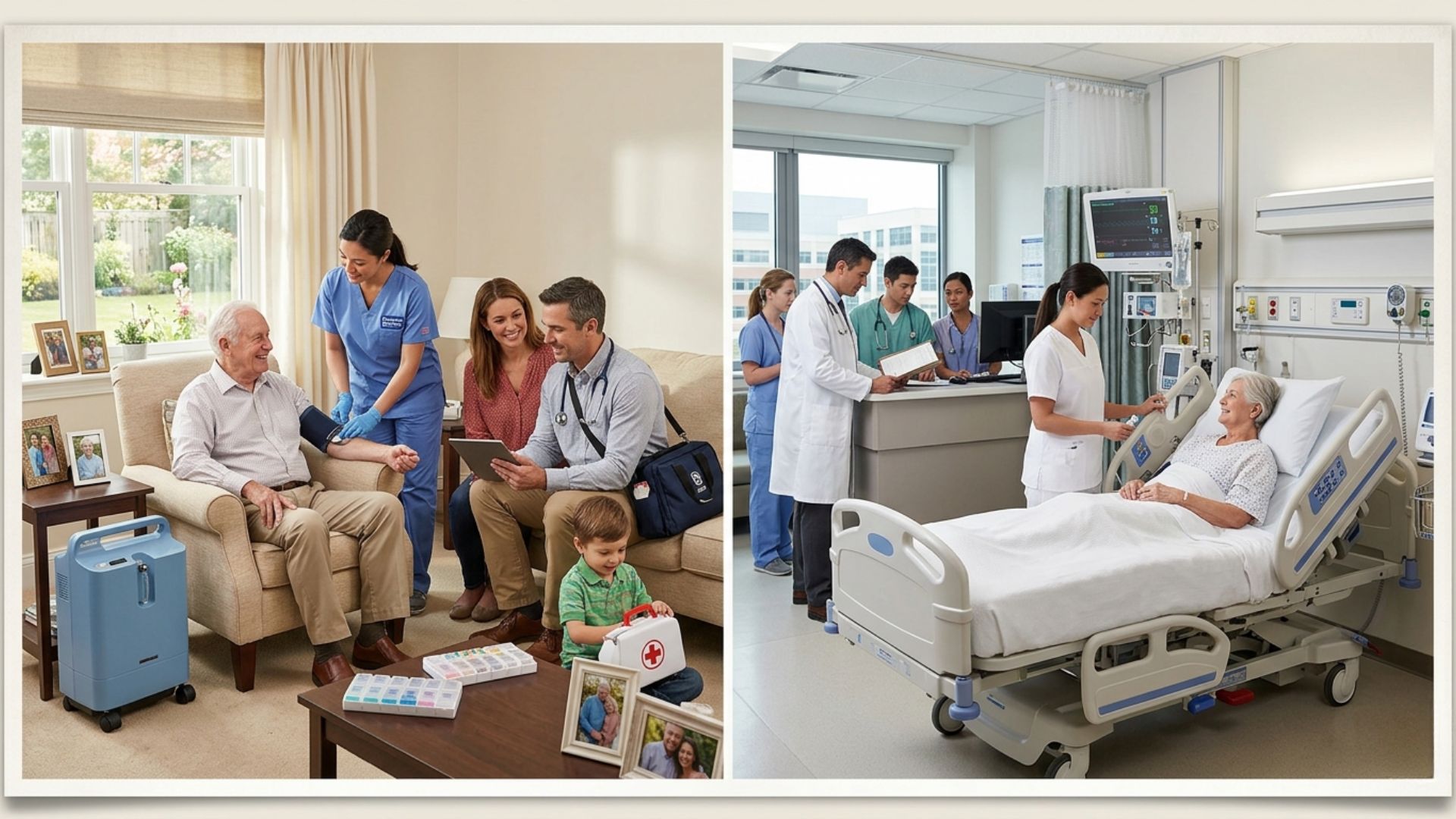
Benefits of home medical care vs hospital can be an important question when you or a loved one needs treatment. The right choice depends on the patient’s condition, safety needs, treatment plan, and level of medical support required. Benefits of home medical care vs hospital care can include comfort, familiar surroundings, and easier daily routines.
Hospital care, however, offers advanced testing, constant clinical support, emergency treatment, and specialist services. Understanding the benefits of home medical care vs hospital settings helps families make a safer and more informed decision. The goal isn’t to choose the more comfortable option. It is to choose the setting that can provide the right level of care.
Read More: https://lahorehomemedicalcare.com/how-to-take-care-of-a-bedridden-patient-at-home/
What Is Home Medical Care?
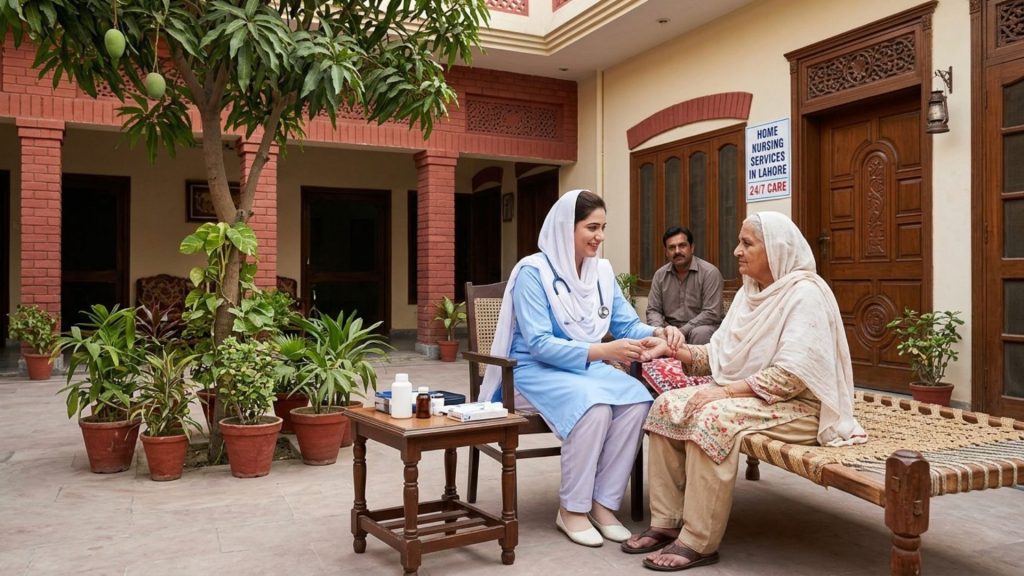
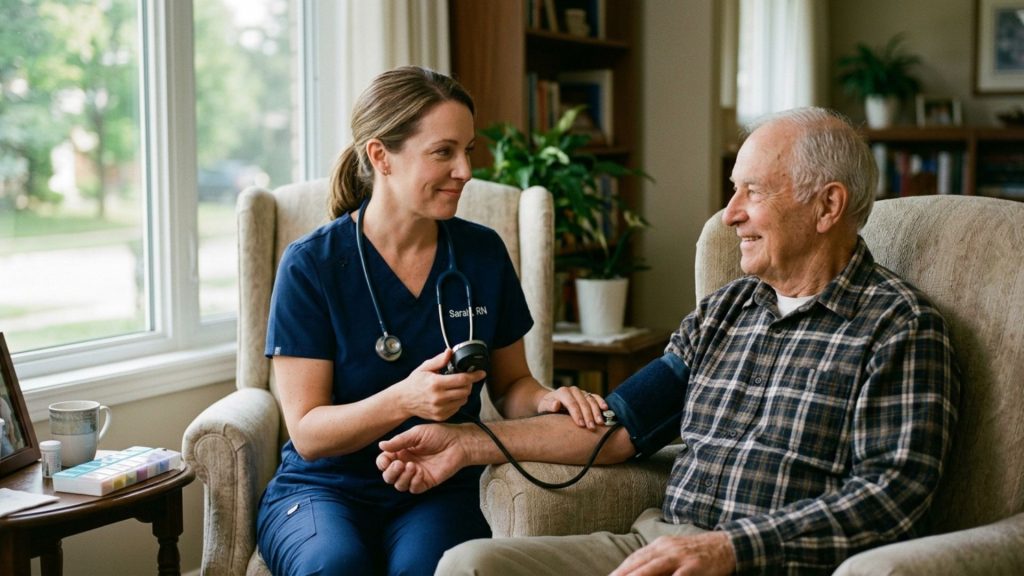
Home medical care means receiving certain healthcare services in your own home instead of staying in a hospital. Depending on your needs, qualified professionals may provide skilled nursing, wound care, medication support, physical therapy, occupational therapy, speech therapy, or recovery care. Some patients receive these services after surgery or illness. Others need support while managing a long-term health problem. The exact services depend on the patient’s medical condition and the care plan created by healthcare professionals.
The benefits of home medical care vs hospital care become clearer when you understand that home care isn’t simply having someone visit your house. Skilled home healthcare involves clinical services that require trained professionals. It is also different from nonmedical home care, which may focus on bathing, dressing, cooking, housekeeping, or other daily tasks. Traditional home health is often provided through scheduled visits rather than constant supervision. Therefore, it isn’t suitable for every patient.
What Is Hospital Care?
Hospital care provides medical treatment in a setting designed for patients who need close observation, urgent treatment, procedures, or complex medical services. Hospitals have doctors, nurses, specialists, diagnostic departments, operating rooms, pharmacies, and emergency resources in one place. This makes hospitals especially valuable when a patient’s condition is unstable or could change quickly.
When comparing the benefits of home medical care vs hospital, hospital care has one major advantage: rapid access to advanced medical resources. A hospital can perform blood tests, imaging, surgery, intensive monitoring, and other treatments that standard home healthcare cannot normally provide. Patients with serious infections, major injuries, severe breathing problems, complications after surgery, or other acute conditions may need this level of support.
Benefits of Home Medical Care
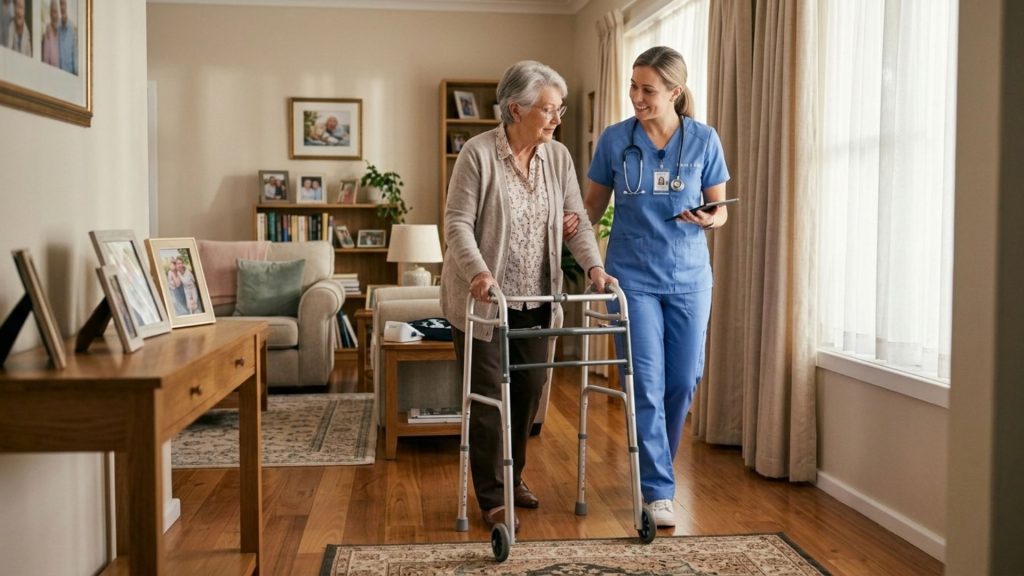
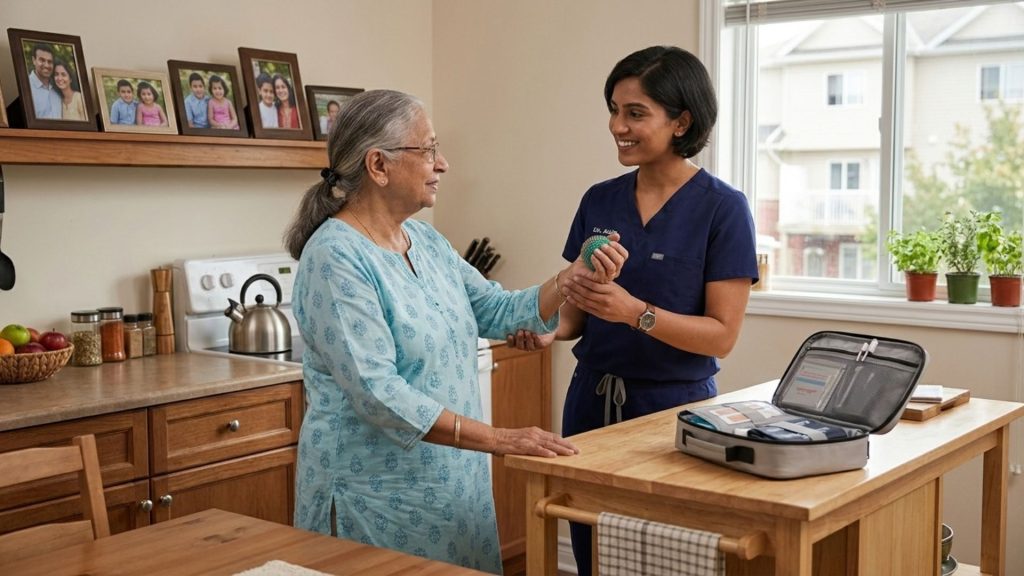
One of the biggest benefits of home medical care vs hospital treatment is comfort. Your home is familiar. You know where everything is, you can follow your normal routine, and you don’t have to adjust to a busy clinical environment. For an appropriate patient, this can make recovery feel less disruptive. A person receiving rehabilitation may also practice everyday movements in the exact environment where those movements matter. For example, a therapist can help a patient learn how to move safely from the bedroom to the bathroom.
Another important benefit is family involvement. Relatives can often take part in the care plan and understand what the patient needs at home. Home-based rehabilitation can also support independence because treatment happens within real daily surroundings. However, home care isn’t automatically better or cheaper. The patient’s condition, equipment needs, caregiver availability, insurance coverage, and number of professional visits all affect whether home care is practical.
Key benefits of home medical care
| Benefit | Why it matters |
|---|---|
| Familiar environment | Reduces disruption to normal routines |
| Personalized attention | Care can focus on individual needs |
| Family involvement | Relatives can participate when appropriate |
| Home-based therapy | Rehabilitation happens in the patient’s real environment |
| Convenience | Less routine travel for eligible services |
Benefits of Hospital Care
The strongest benefits of home medical care vs hospital comparisons must also recognize what hospitals can provide. A hospital is built for complex medical situations. Patients can receive rapid assessment, laboratory testing, diagnostic imaging, specialist consultations, surgery, and emergency treatment. If a patient’s condition suddenly becomes worse, medical staff and equipment are already available.
Hospitals also provide a higher level of monitoring for patients who need it. Someone with an unstable condition may require frequent checks of vital signs, oxygen levels, heart rhythm, or other clinical measures. A hospital can respond quickly when those measurements change. This is why comfort alone should never determine the care setting. If a patient needs intensive treatment, a hospital may be the safest choice.
Home Medical Care vs Hospital Care: Key Differences
The main benefits of home medical care vs hospital care depend on the patient’s medical needs. Home care offers privacy, familiarity, and the chance to recover within normal surroundings. Hospital care provides immediate access to advanced equipment, clinical teams, diagnostic services, and emergency treatment. Neither setting wins in every situation.
Think of the two settings as different tools. A home may be the right tool for stable recovery and rehabilitation. A hospital may be the right tool for a medical emergency or complex treatment. The question isn’t simply where the patient feels more comfortable. The key question is whether the chosen setting can safely meet the patient’s clinical needs.
Home vs hospital care comparison
| Factor | Home Medical Care | Hospital Care |
|---|---|---|
| Environment | Familiar and private | Clinical |
| Monitoring | Usually scheduled or service-based | Continuous hospital access |
| Emergency treatment | Emergency services may be needed | Available immediately |
| Diagnostic testing | More limited | Extensive |
| Surgery | Generally unavailable | Available |
| Rehabilitation | Can happen at home | Available during hospital care |
| Family involvement | Often easier | Depends on hospital policies |
| Equipment | Depends on home setup | Extensive medical equipment |
Home Medical Care vs Hospital Care: When Is Home Better?
The benefits of home medical care vs hospital treatment are strongest when a patient is medically stable and doesn’t require constant hospital-level monitoring. A patient recovering from certain surgeries may need wound care, medication management, physical therapy, or other skilled services. If these services can be delivered safely at home, remaining at home may provide a smoother recovery experience.
The home itself must also be suitable. There should be enough space for required equipment, safe access to important rooms, and a reliable way to contact healthcare professionals. Caregivers may also need to understand medications, appointments, mobility assistance, and warning signs. If the patient’s condition changes significantly, the care setting should be reviewed rather than forcing home care to continue.
When Is Hospital Care Necessary?
Hospital care becomes necessary when a patient needs services that standard home healthcare cannot safely provide. A serious emergency is an obvious example. Severe breathing difficulty, major bleeding, sudden neurological symptoms, serious injuries, severe infection, or rapidly worsening symptoms may require urgent hospital evaluation. In such situations, delaying treatment to arrange home services can be dangerous.
Hospital care may also be necessary when a patient requires surgery, intensive monitoring, advanced diagnostic testing, or complex treatment. The benefits of home medical care vs hospital care don’t mean that home care should replace hospital treatment. Instead, they show why the care setting should match the level of medical need.
Common reasons hospital care may be required
| Situation | Why hospital care may be needed |
|---|---|
| Serious breathing problems | Access to urgent respiratory support |
| Major injury | Imaging, procedures, and specialist care |
| Severe infection | Close monitoring and complex treatment |
| Surgery | Operating room and surgical team |
| Unstable condition | Frequent assessment and rapid intervention |
How to Choose Between Home and Hospital Care
Choosing between home and hospital care should start with the patient’s medical condition. Ask whether the patient is stable, whether the condition could worsen quickly, and what treatments are actually required. A person who only needs scheduled nursing visits has very different needs from someone who requires continuous monitoring.
The home environment also matters. Look at mobility, stairs, bathroom access, electricity, cleanliness, medication storage, equipment, and caregiver availability. Then discuss the options with the treating healthcare team. The benefits of home medical care vs hospital care should always be considered alongside clinical safety.
A simple decision process is:
- Assess the medical condition. Determine whether the patient is stable.
- Identify treatment needs. Consider nursing, therapy, medication, testing, procedures, and monitoring.
- Check home safety. Make sure the environment supports the care plan.
- Review caregiver support. Determine who can help with daily needs and communication.
- Confirm professional guidance. Follow the treating clinician’s assessment.
- Review costs and coverage. Check insurance rules, equipment costs, and provider availability.
How to Make Home Medical Care Safe and Effective
Safe home care starts with a clear care plan. The patient and family should know which medicines to take, when visits are scheduled, what exercises are required, and which symptoms require medical attention. Keeping an updated medication list can also reduce confusion. Include prescription medicines, over-the-counter products, supplements, dosages, and known allergies.
Home safety deserves equal attention. Remove trip hazards, improve lighting, keep essential items within reach, and make bathroom areas safer. Medical equipment should be used exactly as instructed. Communication matters too. The patient, family, home healthcare professionals, primary care provider, and specialists should share important changes. These steps strengthen the benefits of home medical care vs hospital care by reducing preventable problems.
Traditional Home Health vs Hospital-at-Home
A common misunderstanding about the benefits of home medical care vs hospital services is that every form of home treatment provides hospital-level care. It doesn’t. Traditional home health usually involves scheduled skilled services. Hospital-at-home programs are different. They are designed to provide hospital-level treatment to selected patients who meet specific clinical criteria.
Hospital-at-home programs may use remote monitoring, visiting clinicians, diagnostic services, medications, and other resources. They require a strong healthcare infrastructure. Therefore, they shouldn’t be confused with ordinary home health visits. The right program depends on the patient’s condition and the healthcare system providing the service.
Common Misconceptions About Home Medical Care
Some people believe home medical care means a nurse stays in the home around the clock. Traditional home health generally doesn’t work that way. Visits are based on the patient’s care plan and covered services. A patient who requires continuous supervision may need another level of support.
Another misconception is that home care is always less expensive. That’s not necessarily true. Equipment, professional visits, medications, transportation, private caregivers, and insurance coverage can change the total cost. The benefits of home medical care vs hospital care should therefore be evaluated using the complete care plan rather than one price estimate.
There is also a misconception that hospitals are always the safer option. Hospitals offer capabilities that homes cannot match. However, an appropriate patient receiving suitable professional care at home may not need inpatient treatment. Safety depends on matching the patient to the right setting.
Case Study: Choosing the Right Care Setting
Consider an older adult recovering from a routine surgery. The patient is medically stable and doesn’t need continuous monitoring. However, they need wound checks, medication guidance, and physical therapy. Their home has safe bathroom access, family support, and the equipment recommended by the healthcare team. In this situation, professional home medical care may support recovery without an unnecessary hospital stay.
Now consider a different patient with severe breathing difficulty and rapidly falling oxygen levels. That patient needs urgent medical assessment and treatment. A standard home healthcare visit isn’t enough. Hospital care provides the equipment, monitoring, testing, and clinical response required for a potentially serious condition.
These examples show why the benefits of home medical care vs hospital care cannot be judged without considering the patient’s condition. The same setting can be appropriate for one person and unsafe for another.
“The best care setting is the one that safely matches the patient’s medical needs.”
Questions to Ask Before Choosing Care
Before making a decision, ask the healthcare team about the level of care required, how often professional visits will occur, what equipment is needed, and what happens if the patient’s condition worsens. Ask who should be contacted after hours. Also confirm which services insurance covers and whether additional caregiver support will be necessary.
These questions can prevent unpleasant surprises. They also help families understand the difference between routine home healthcare and services that require hospital resources. When families understand those boundaries, the benefits of home medical care vs hospital care become much easier to evaluate.
FAQ’s
Is home medical care better than hospital care?
Not always. Home care may be appropriate for stable patients who need skilled services that can be safely delivered at home. Hospital care is better suited to emergencies, unstable conditions, surgery, intensive monitoring, and complex treatment.
What are the main benefits of home medical care vs hospital care?
The main benefits include a familiar environment, fewer disruptions to daily life, easier family involvement, and rehabilitation within the patient’s real home setting. However, these advantages apply only when home treatment is clinically appropriate.
When should someone go to the hospital instead of receiving home care?
A patient should receive urgent medical evaluation when serious or rapidly worsening symptoms occur. Hospital care may also be required for surgery, intensive monitoring, advanced testing, severe infection, major injuries, or other complex medical needs.
Is home medical care cheaper than hospital care?
It can be less expensive in some situations, but there is no universal answer. Costs depend on the services required, insurance coverage, equipment, caregiver needs, and duration of care.
Can home medical care replace hospital care?
No. Standard home medical care cannot replace the full range of hospital services. Some specialized hospital-at-home programs can provide hospital-level treatment to carefully selected patients, but they require appropriate clinical support and monitoring.
Conclusion
The benefits of home medical care vs hospital care depend on the patient’s condition and treatment needs. Home care can offer comfort, privacy, family involvement, and practical rehabilitation for stable patients. Hospitals remain essential for emergencies, surgery, intensive monitoring, advanced testing, and complex treatment. The safest choice isn’t always the most comfortable one. It is the setting that can provide the right care at the right time. Before choosing, review the patient’s medical needs, home safety, caregiver support, professional recommendations, and insurance coverage. Care can also move between settings as recovery progresses.