Post operative wound care at home tips can make recovery safer, easier, and more comfortable. After surgery, your incision needs protection while new tissue develops. Good care also helps you notice problems before they become serious.
Post operative wound care at home tips usually focus on keeping the wound clean, protecting the incision, following dressing instructions, managing pain, eating well, and watching for changes. However, every operation is different. Your surgeon’s instructions should always come first because the right care depends on the procedure, wound location, closure method, and dressing type.
Read More: https://lahorehomemedicalcare.com/home-care-for-stroke-and-paralysis-patients/
What Is Post-Operative Wound Care?
Post operative wound care at home tips begin with understanding what happens after an operation. A surgical wound is an intentional cut made through the skin during surgery. Your surgeon may close it with stitches, staples, clips, surgical glue, or adhesive strips. Each method protects the wound differently. Some wounds may also remain partly open when the surgeon believes they need to heal gradually.
Your body starts repairing the incision soon after surgery. Blood clotting helps control bleeding. New tissue then develops around the damaged area. Over time, the wound becomes stronger. This process doesn’t happen overnight. Larger or deeper wounds usually need more time and closer monitoring. Good post operative wound care at home tips help protect this natural healing process.
A useful way to think about wound care is simple: protect what your body is trying to repair. Unnecessary touching, harsh chemicals, friction, moisture, and excessive activity can interfere with recovery.
Follow Your Surgeon’s Wound-Care Instructions
The most important post operative wound care at home tips are the instructions provided when you leave the hospital. Generic advice can help you understand wound care. It cannot replace instructions designed for your particular operation.
Your surgeon may tell you when to change the dressing, when you can shower, which products to use, and when you can return to normal activities. Those instructions may differ significantly between surgeries. For example, an abdominal incision and a small skin incision don’t necessarily require the same dressing routine.
| Wound-care factor | Why it matters |
|---|---|
| Type of surgery | Determines healing time and activity restrictions |
| Closure method | Stitches, staples, glue, and strips need different care |
| Dressing type | Determines when and how the dressing should change |
| Wound location | Affects movement, moisture, and friction |
| Drain or special device | May require professional instructions |
If instructions seem unclear, contact the surgical team instead of guessing. That’s especially important when you notice new drainage, bleeding, wound separation, or increasing pain.
Wash Your Hands Before Wound Care
Clean hands are one of the simplest post operative wound care at home tips and one of the most important. Your hands can carry microorganisms that may reach the incision. Wash them before touching the dressing, wound, or nearby skin.
Use soap and running water. Clean between your fingers and underneath your nails. Dry your hands with a clean towel. MedlinePlus recommends careful handwashing before and after dressing changes.
Prepare your supplies before starting. This reduces the need to walk around while handling a wound. It also keeps the process organized. If someone else changes the dressing, that person should follow the same hygiene routine.
After removing an old dressing, wash your hands again before handling the clean dressing. It may seem repetitive. That repetition protects the incision.
How to Change a Surgical Dressing
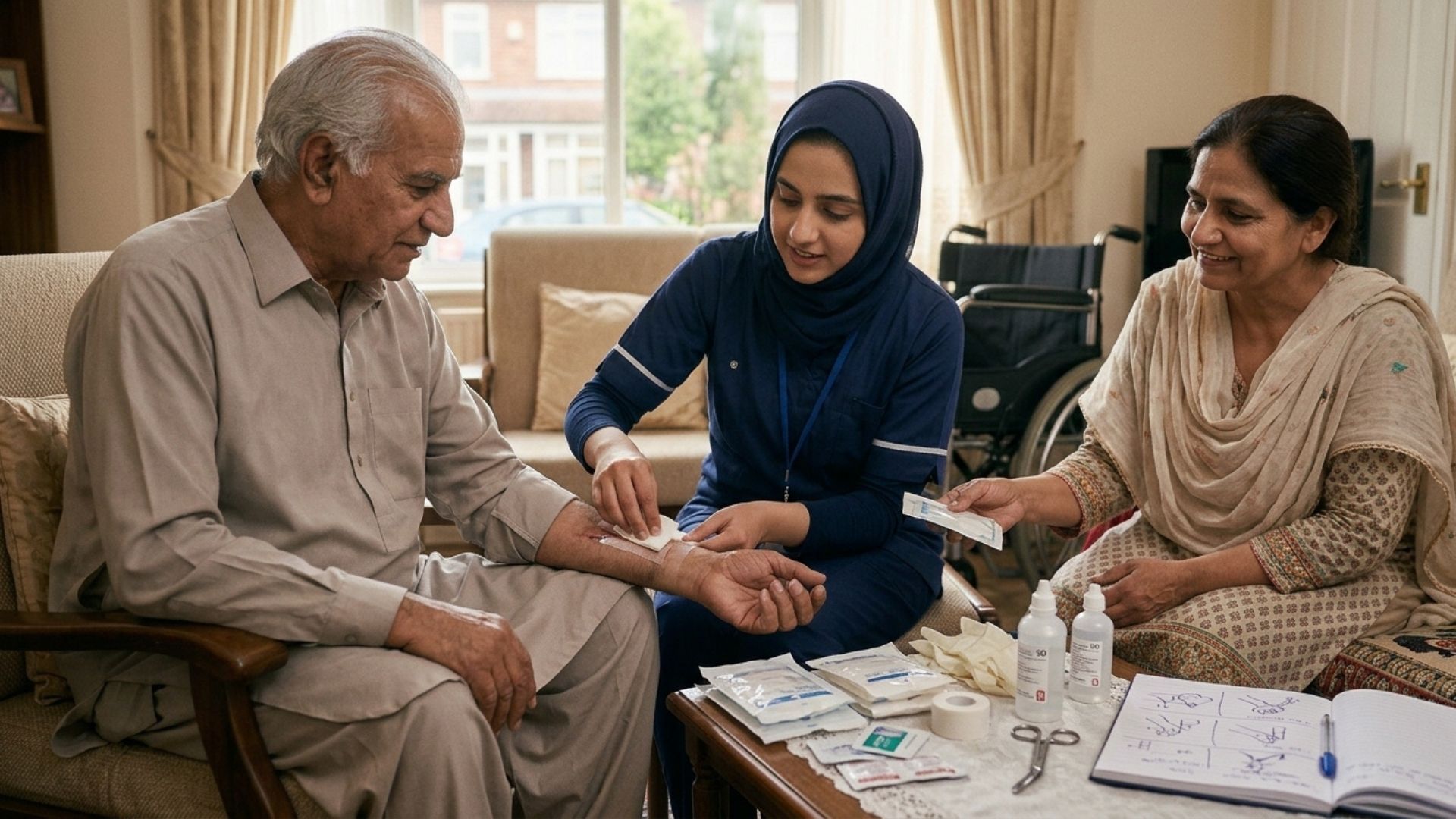
One of the most practical post operative wound care at home tips involves changing the dressing correctly. Your surgeon should tell you how often the dressing needs changing. Don’t create your own schedule unless your healthcare provider approves it.
Start with a clean work surface and gather everything you need. Carefully loosen the old tape. If the dressing sticks to the wound, don’t yank it away. Your provider may recommend gently moistening it before removal. However, follow your surgeon’s specific instructions because some dressings are intentionally removed dry.
After removing the old dressing, examine the incision. Look for changes in redness, swelling, drainage, bleeding, pain, or wound separation. Then apply the new dressing exactly as you were shown.
Never reuse a dressing. Don’t touch the part that will sit directly against the wound. If your surgeon hasn’t instructed you to use a cream, antibiotic ointment, or other product, don’t add one on your own.
Keep the Surgical Wound Clean and Dry
Keeping the incision appropriately clean is another key part of post operative wound care at home tips. However, clean doesn’t mean aggressively scrubbing the wound.
If your surgeon allows washing, gently clean the area using the recommended method. Some patients may use mild soap and water. Others may need saline or a specific cleansing solution. Don’t automatically use alcohol, hydrogen peroxide, iodine, or harsh antibacterial products. These substances can damage healing tissue and potentially slow recovery.
When drying the area, avoid rubbing. Gently pat the surrounding skin with a clean towel. Your goal is to remove excess moisture without irritating new tissue.
| Safer approach | Avoid |
|---|---|
| Follow your surgeon’s cleaning method | Scrubbing the incision |
| Use recommended solutions | Unapproved harsh chemicals |
| Pat the area dry | Rubbing vigorously |
| Use clean dressings | Reusing old dressings |
| Keep supplies clean | Touching the wound unnecessarily |
Showering and Bathing After Surgery
Many people wonder when they can shower after surgery. The answer depends on the operation, dressing, incision, and instructions from the surgical team. Some closed surgical wounds may be exposed to shower water after a certain period. Other wounds require longer protection.
Showers are often preferable to soaking because prolonged immersion can expose the incision to moisture for longer periods. Don’t swim or use a bathtub or hot tub until your healthcare provider says it’s safe.
If showering is permitted, don’t scrub the incision. Let water run gently over the area if your instructions allow it. Then pat the surrounding skin dry.
Know What Normal Healing Looks Like
Understanding normal healing makes post operative wound care at home tips much easier to follow. Mild tenderness, bruising, and some swelling can occur after surgery. The exact appearance depends on the procedure and the individual.
The important factor is the overall direction. Healing should generally move toward improvement rather than deterioration. Pain should become easier to manage. Swelling should gradually settle. The incision should remain appropriately closed when it was surgically closed.
A small change doesn’t automatically mean something is wrong. However, increasing redness, worsening pain, increasing swelling, unusual drainage, or wound separation deserves medical attention.
| Usually expected | More concerning |
|---|---|
| Mild tenderness | Increasing pain |
| Some bruising | Spreading redness |
| Mild swelling | Increasing swelling |
| Gradual improvement | Symptoms getting worse |
| Minor expected drainage | Thick or foul-smelling drainage |
| Stable incision | Wound edges separating |
These differences matter because wound problems often reveal themselves through changes over time.
Recognize Signs of a Wound Infection
One of the most important post operative wound care at home tips is knowing when a wound may be infected. Surgical wound infections can cause redness, warmth, swelling, pain, pus, unpleasant odor, fever, chills, or a general feeling of illness.
Pay close attention when symptoms are becoming stronger instead of improving. For example, a wound that becomes increasingly painful several days after surgery deserves attention. Thick yellow, green, or tan drainage can also be concerning.
Don’t try to treat a suspected infection with leftover antibiotics. Treatment depends on the type and depth of infection. Some infections require antibiotics. Others may require professional wound cleaning or additional procedures.
Manage Pain After Surgery
Pain management remains an important part of post operative wound care at home tips. Take prescribed pain medicine exactly as directed. Don’t increase the dose because discomfort feels stronger. Don’t combine medicines unless your healthcare provider confirms that the combination is appropriate.
Pain should generally become easier to control as healing progresses. Pain that suddenly becomes much worse can signal a complication, particularly when redness, swelling, drainage, or fever appears at the same time.
Rest also matters. Find comfortable positions that don’t put unnecessary pressure on the incision. Follow any instructions about supporting the surgical area while coughing, moving, or changing position.
Eat Well to Support Wound Healing
Your body needs energy and nutrients to rebuild damaged tissue. That’s why nutrition belongs in any complete guide to post operative wound care at home tips.
Protein is particularly important because your body uses amino acids to build and repair tissue. Good sources include eggs, fish, chicken, lean meat, milk, yogurt, beans, lentils, and tofu.
A balanced diet also provides vitamins and minerals that support normal body functions. Include vegetables, fruits, whole grains, and healthy fats when tolerated.
Hydration matters too. Drink enough fluids unless your healthcare provider has given you a fluid restriction. Avoid crash diets during recovery. Your body needs adequate nourishment while repairing itself.
Move Safely During Recovery
Rest doesn’t always mean staying in bed all day. Appropriate movement can be part of recovery. For some procedures, walking may help maintain mobility and reduce the risk of complications such as blood clots. However, your activity level must match your surgery and medical instructions.
Heavy lifting and strenuous exercise may place tension on healing tissue. That tension can contribute to pain or wound problems. Don’t assume you can resume normal exercise simply because you feel better.
Your surgeon can tell you when you can drive, work, exercise, lift objects, or return to other activities. Recovery isn’t a race. The goal is steady healing.
Protect the Wound During Daily Activities
Everyday habits can affect wound recovery. Tight clothing may rub against an incision. Repeated stretching can pull on healing tissue. Scratching can damage the skin or introduce bacteria.
Keep clothing clean and comfortable. Protect the incision from unnecessary friction. Avoid touching the wound simply because you’re curious about how it looks.
Pets also need consideration. Don’t allow an animal to lick or touch the surgical wound. Keep personal towels and wound-care supplies clean. These small precautions can reduce unnecessary exposure to microorganisms.
How a Home Nurse Can Help
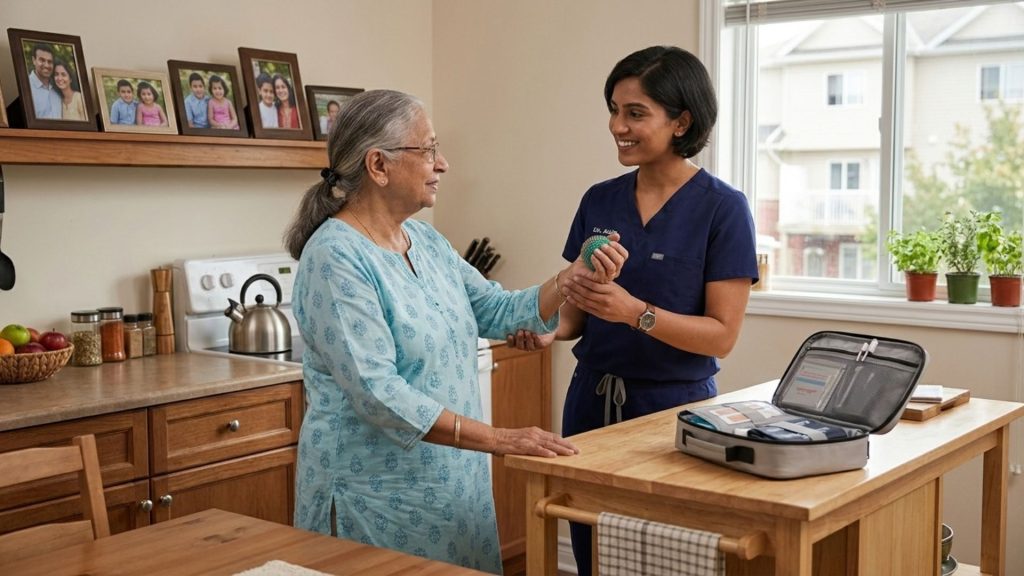
Some people can manage routine wound care independently. Others need professional assistance. Home nursing can be particularly useful when a person has limited mobility, a complex wound, repeated dressing changes, or difficulty reaching the surgical area.
A trained nurse can help with dressing changes and wound observation when that care is part of the treatment plan. Professional support may also help identify changes that should be reported to the surgeon.
Some complex wounds require specialized dressings or negative-pressure wound therapy. These systems need proper training and monitoring. MedlinePlus notes that nurses may assist with wound care at home when patients need ongoing treatment.
Prevent Common Wound Complications
The best post operative wound care at home tips focus on prevention. Follow your discharge instructions carefully. Keep your hands clean. Use dressings as directed. Avoid unnecessary products. Protect the incision from excessive moisture, friction, and physical strain.
Smoking can also interfere with wound healing. Other factors can affect recovery as well. These include poor blood flow, certain medicines, diabetes, obesity, and other health conditions.
| Prevention step | Main purpose |
|---|---|
| Hand hygiene | Reduces contamination |
| Correct dressing care | Protects healing tissue |
| Appropriate activity | Reduces wound strain |
| Good nutrition | Provides repair nutrients |
| Adequate hydration | Supports normal body function |
| Medical follow-up | Helps detect complications |
Consistency matters more than complicated routines. A simple care plan followed correctly is better than an elaborate routine that ignores medical instructions.
What to Do If the Wound Bleeds
Small amounts of blood may occur after some procedures. However, persistent or increasing bleeding needs attention. Follow the pressure and dressing instructions given by your surgical team.
Don’t repeatedly remove a dressing simply to inspect the wound. That can disturb clotting tissue. If bleeding doesn’t stop with the recommended pressure or appears heavy, contact your healthcare provider or seek urgent medical care based on the severity.
MedlinePlus advises medical attention when bleeding continues despite direct pressure.
When to Contact Your Surgeon
Knowing when to call is one of the most valuable post operative wound care at home tips. Contact your surgical team when the wound becomes increasingly red, swollen, painful, warm, or begins producing unusual drainage.
You should also report wound separation, persistent bleeding, worsening symptoms, foul-smelling drainage, fever, or chills. A wound that looks increasingly deep, dark, or damaged also needs medical evaluation.
Don’t wait for a routine follow-up when concerning changes are getting worse. Early medical assessment can prevent a manageable wound problem from becoming a larger complication.
When Wound Problems Need Urgent Attention
Some symptoms require faster action. Heavy uncontrolled bleeding, significant wound separation, severe worsening pain, serious infection symptoms, or a rapidly deteriorating condition should not be ignored.
A surgical wound can sometimes deteriorate quickly. The safest response is to contact the appropriate medical service when symptoms are severe or rapidly worsening.
The key post operative wound care at home tips are not about diagnosing yourself. They’re about recognizing meaningful changes and getting professional help when necessary.
Post-Operative Wound Care Checklist
| Daily concern | What to monitor |
|---|---|
| Incision | Redness, swelling, separation |
| Drainage | Amount, color, thickness, odor |
| Pain | Improving or worsening |
| Dressing | Clean, dry, correctly applied |
| Temperature | Fever or chills |
| Activity | Following prescribed restrictions |
| Nutrition | Adequate food and protein |
| Follow-up | Keeping scheduled appointments |
Use this table as a reminder rather than a substitute for your discharge instructions.
FAQ’s
How often should I change my surgical dressing?
The correct schedule depends on your surgery and dressing type. Your surgeon or nurse should tell you when to change it. A dressing may also need earlier replacement if it becomes wet, heavily soiled, or soaked with blood or other fluids.
Can I shower after surgery?
Possibly, but timing varies. Some surgical wounds can be exposed to shower water after a specific period. Others require additional protection. Follow the instructions from your surgical team. Avoid soaking the wound until you receive medical approval.
Can I put antibiotic cream on my surgical wound?
Don’t automatically apply antibiotic cream. Some wounds need specific products while others don’t. Use an antibiotic ointment or other topical product only when your healthcare provider recommends it.
What does an infected surgical wound look like?
Possible signs include increasing redness, warmth, swelling, pain, pus, unusual drainage, bad odor, fever, chills, or feeling unwell. These symptoms should be reported to your healthcare provider.
When should I call my surgeon?
Call your surgeon when symptoms are worsening rather than improving. Increasing pain, redness, swelling, bleeding, unusual drainage, wound separation, fever, or foul-smelling drainage should receive medical attention.
Conclusion
Post operative wound care at home tips can help you protect the incision while your body repairs itself. Keep your hands clean. Follow dressing instructions carefully. Protect the wound from friction and unnecessary strain. Eat well and stay appropriately hydrated. Most importantly, watch for changes that suggest infection, bleeding, or wound separation. Don’t rely on internet advice when your symptoms are worsening. Contact your surgeon or healthcare provider for personalized guidance. With consistent care and timely medical attention, you can support a safer and smoother recovery after surgery.