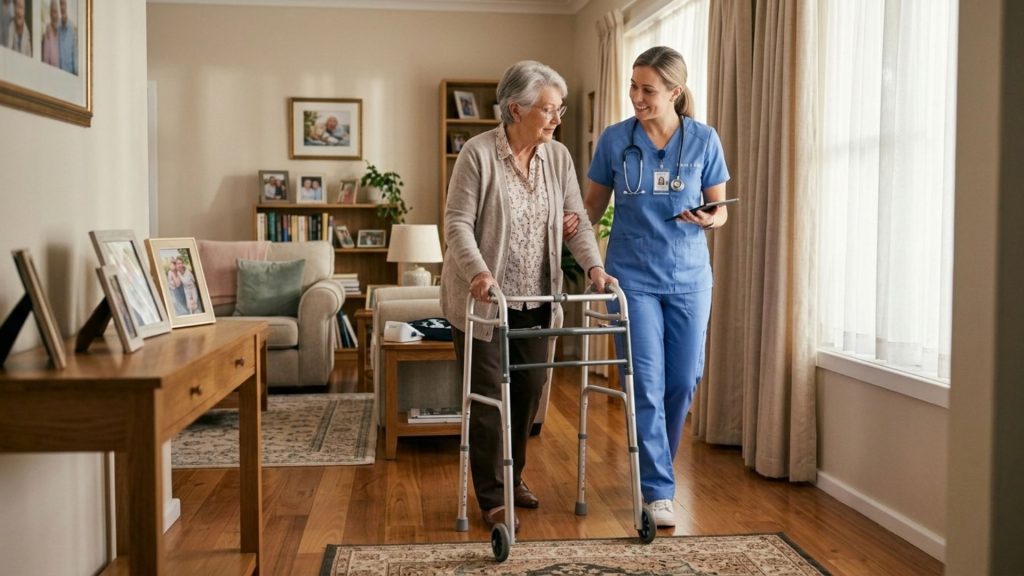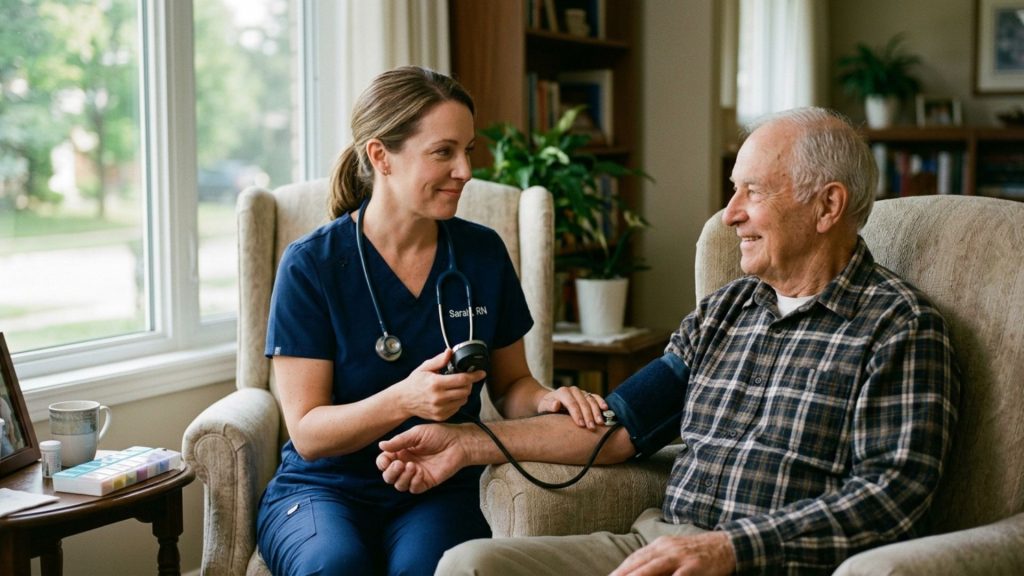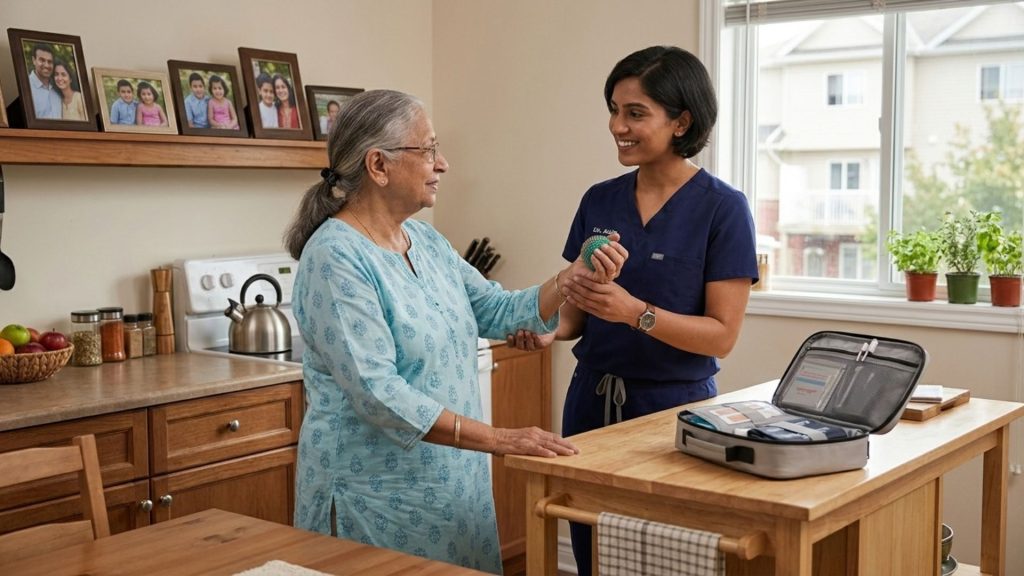

When illness changes your daily routine, getting the right support at home can make life easier. Home nursing services provide professional nursing care in a familiar environment. Instead of traveling to a clinic for every basic need, you can receive appropriate care at home.
This can help patients recovering from surgery, older adults, people with chronic conditions, and those with limited mobility. A qualified home nurse may monitor vital signs, provide prescribed treatments, manage wound care, and support medication routines. Most importantly, home nursing services should match the patient’s medical needs, care plan, and professional requirements.
Read More: https://lahorehomemedicalcare.com/affordable-home-nursing-services-lahore/
What Are Home Nursing Services?
Home nursing services are professional nursing services provided inside a patient’s home. They can support people who need medical attention but don’t necessarily need to stay in a hospital. Depending on the patient’s condition, a nurse may provide wound care, monitor vital signs, support prescribed medications, provide certain treatments, and communicate important changes to the healthcare team. The exact service depends on the nurse’s qualifications and the patient’s care plan.
It’s also important to understand the difference between nursing and general caregiving. A caregiver may help with bathing, dressing, meals, mobility, or daily activities. A professional nurse has clinical training and can provide nursing tasks within their legal and professional scope. Choosing the right type of support matters because every patient’s needs are different.
| Type of Home Care | Main Purpose | Common Examples |
|---|---|---|
| Skilled nursing | Clinical nursing care | Wound care, monitoring, prescribed treatments |
| Personal care | Daily living support | Bathing, dressing, mobility |
| Companion care | Social and routine support | Conversation, companionship |
| Rehabilitation | Recovery and function | Physical or occupational therapy |
What Do Home Nursing Services Include?
The services provided through home nursing services depend on the patient’s condition. A nurse may monitor blood pressure, pulse, temperature, or blood glucose when clinically appropriate. Wound dressing and postoperative care may also form an important part of nursing support. Some patients may need catheter care, feeding-tube-related care, injections, or other prescribed clinical services.
Medication support is another common need. A nurse can help patients follow their prescribed treatment routine and monitor for changes that should be reported. However, nurses don’t independently change a patient’s prescription unless they have the appropriate authority and clinical direction. Good nursing care focuses on safe treatment, careful observation, accurate documentation, and communication.
Who Needs Home Nursing Services?
Not every patient needs professional nursing at home. However, home nursing services can be useful when a person needs skilled clinical support that is difficult to manage without professional help. Elderly patients may need regular health monitoring. Someone recovering from surgery may need wound care and medication support. A person with limited mobility may struggle to visit a clinic regularly.
Patients with chronic conditions can also benefit from appropriate nursing support. Diabetes, hypertension, chronic respiratory problems, and other long-term conditions may require regular observation. The goal isn’t simply to keep someone comfortable. The goal is to provide the right level of care while helping the patient remain safe and supported at home.
| Patient Situation | Possible Nursing Requirement |
|---|---|
| Elderly patient | Health monitoring and medication support |
| Post-surgery patient | Wound and dressing care |
| Diabetes | Glucose monitoring and education |
| Limited mobility | Nursing care without frequent travel |
| Chronic illness | Regular monitoring and treatment support |
| Catheter patient | Catheter-related nursing care |
Home Nursing Services for Elderly Patients
Older adults often have several healthcare needs at the same time. They may take multiple medicines, manage chronic illnesses, or have difficulty walking. In these situations, home nursing services can provide clinical support without forcing the patient to travel frequently. A nurse can monitor changes and communicate relevant concerns to the family or treating healthcare professional.
Home nursing can also support independence. An older adult may prefer to remain in a familiar home rather than move into a care facility. Professional support can make that arrangement more practical when the patient’s condition is stable enough for home care. Family members can remain involved while the nurse handles appropriate clinical responsibilities.
The right balance is important. Nursing care shouldn’t remove a patient’s independence unnecessarily. Instead, it should provide the assistance required for safe and appropriate care.
Post-Surgery Home Nursing Care
Leaving the hospital doesn’t always mean that recovery is finished. Many patients still need support after surgery. Home nursing services can help with postoperative wound care, dressing changes, medication routines, mobility-related support, and monitoring for changes. The nurse follows the relevant care instructions and reports concerning developments to the appropriate medical professional.
For example, imagine someone returning home after abdominal surgery. The patient may feel weak and may struggle to manage a dressing independently. A qualified nurse can provide appropriate wound care while observing the site for changes. If something appears concerning, the nurse can communicate that information promptly. This creates a useful link between home recovery and professional medical care.
A hospital discharge is often the beginning of recovery at home, not the end of medical care.
However, home nursing isn’t emergency treatment. Severe bleeding, serious breathing problems, loss of consciousness, severe chest pain, or other emergencies require urgent medical attention rather than waiting for a scheduled home visit.
Home Nursing for Chronic Conditions
Long-term illnesses often require consistent monitoring. Home nursing services may help patients follow their treatment plans while remaining at home. For example, a nurse may monitor blood glucose for a patient with diabetes when this forms part of the care plan. Blood pressure monitoring may also help healthcare professionals understand changes over time.
Chronic respiratory conditions can require careful observation as well. A nurse may monitor symptoms and support prescribed treatments within their professional scope. The key point is consistency. Regular observations can provide useful information for the patient’s healthcare team. Home nursing doesn’t replace the physician. Instead, it can support the broader care plan.
Benefits of Professional Nursing Care at Home
One major advantage of home nursing services is convenience. Patients don’t always need to travel to a healthcare facility for every nursing requirement. This can be particularly useful for older adults and people with mobility limitations. Receiving appropriate care in a familiar environment may also make daily routines easier to manage.
Another benefit is personalized attention. A nurse can focus on the patient’s specific care requirements during the scheduled visit. Family members can also learn more about the patient’s routine and care needs. When communication is clear, everyone involved can better understand what the patient needs and when professional medical attention may be required.
The benefits depend on the patient’s condition and the quality of care provided. Home nursing isn’t automatically better for every situation. The care setting should always match the patient’s medical needs.
How Home Nursing Services Work
The process usually begins with an assessment. The patient’s condition, medical needs, prescribed treatments, mobility, and home environment may be reviewed. This information helps determine whether nursing care is appropriate and what type of support may be required. A suitable schedule can then be developed around the patient’s needs.
After the care plan is established, an appropriately qualified nurse provides the agreed services. The nurse records relevant observations and communicates important changes according to the care arrangement. The plan may change if the patient’s condition changes. This ongoing approach helps ensure that home nursing services remain relevant rather than becoming a routine service without a clear purpose.
| Stage | What Happens |
|---|---|
| Assessment | Patient’s condition and care requirements are reviewed |
| Care planning | Nursing needs and visit requirements are established |
| Nurse assignment | A suitable professional is selected |
| Home visits | Agreed nursing services are provided |
| Monitoring | Relevant changes are documented |
| Review | Care is adjusted when needs change |
Home Nursing Services vs. Hospital Care
Home nursing services and hospital care serve different purposes. Home nursing is generally suitable for patients who are stable enough to receive appropriate care outside a hospital. Hospital care is designed for patients who need intensive observation, emergency treatment, diagnostic services, procedures, or continuous clinical monitoring.
For example, a stable patient recovering from surgery may receive appropriate wound care at home. Someone experiencing a serious medical emergency may require immediate hospital treatment. Choosing between the two should never depend only on convenience or cost. The patient’s clinical condition comes first.
| Factor | Home Nursing | Hospital Care |
|---|---|---|
| Location | Patient’s home | Hospital |
| Environment | Familiar setting | Clinical setting |
| Nursing support | Scheduled care | Continuous or frequent care |
| Emergency treatment | Not designed for emergencies | Available |
| Family involvement | Usually convenient | Depends on hospital rules |
| Suitable for | Stable patients needing home support | Acute or complex conditions |
How Much Do Home Nursing Services Cost?
The price of home nursing services can vary widely. There isn’t one universal rate because the cost depends on the patient’s needs and the service arrangement. A short nursing visit will usually involve different resources than round-the-clock care. Nurse qualifications, treatment complexity, location, timing, and duration can all affect the final price.
Before hiring a provider, ask for a clear breakdown of charges. Find out whether the quoted amount covers nursing visits, supplies, transportation, night shifts, emergency visits, or additional procedures. In Pakistan, rates can also differ between cities and individual providers. A current local quotation is more useful than relying on a single general figure.
How to Choose Reliable Home Nursing Services
Choosing a home nurse requires more than checking the price. Start by verifying the professional’s qualifications and relevant experience. If the patient needs wound care, catheter care, postoperative support, or another specialized service, ask whether the nurse has suitable experience. The provider should also explain exactly what the service includes.
Communication matters just as much. Ask who supervises the care and how changes in the patient’s condition are reported. Find out whether replacement staff are available if the assigned nurse becomes unavailable. Most importantly, make sure the patient and family understand the care plan before services begin.
A reliable provider should be clear rather than vague. Written details about services, schedules, responsibilities, and costs can prevent misunderstandings later.
Questions to Ask Before Hiring a Home Nurse
Before starting home nursing services, ask practical questions about qualifications, experience, working hours, pricing, and emergency procedures. These questions help you understand exactly what you’re paying for and whether the service matches the patient’s needs. They also give the family an opportunity to clarify responsibilities before care begins.
| Question | Why It Matters |
|---|---|
| What qualifications does the nurse have? | Confirms professional suitability |
| Does the nurse have relevant experience? | Helps match care with patient needs |
| What services are included? | Prevents misunderstandings |
| How many hours or visits are provided? | Clarifies the schedule |
| Is replacement staff available? | Reduces gaps in care |
| How are emergencies handled? | Clarifies service limitations |
| What is included in the price? | Helps prevent unexpected costs |
Home Nursing Safety and Patient Dignity
Safety should remain central to every home care arrangement. Professional home nursing services should follow appropriate clinical instructions and professional standards. Nurses should work within their qualifications and scope of practice. Families should also understand the patient’s medication schedule, appointments, warning signs, and escalation plan.
Privacy and dignity matter too. Patients often feel vulnerable when they need personal or medical assistance. A professional nurse should communicate respectfully and protect the patient’s privacy. The home should also provide a reasonably safe space for nursing tasks. Small details can make a significant difference in comfort and trust.
FAQ’s
What are home nursing services?
Home nursing services provide professional nursing care at a patient’s home. Depending on the patient’s needs, services may include health monitoring, wound care, medication support, and other prescribed nursing tasks.
Who can benefit from home nursing care?
Elderly patients, people recovering from surgery, individuals with chronic conditions, and patients with limited mobility may need home nursing services. The patient’s clinical condition determines whether home care is appropriate.
Can a home nurse provide post-surgery care?
Yes. A qualified nurse may provide appropriate postoperative support such as wound and dressing care, monitoring, and medication-related assistance when these services form part of the care plan.
How much do home nursing services cost?
Costs vary according to location, nurse qualifications, visit duration, patient needs, and service type. Families should request a detailed quotation before starting care.
Are home nursing services a replacement for hospitals?
No. Home nursing services are not designed to replace emergency or hospital care. Patients with serious or rapidly worsening symptoms may require immediate medical evaluation.
Conclusion
Home nursing services can provide valuable professional support for patients who can safely receive care at home. They may help with recovery, chronic conditions, elderly care, wound management, and prescribed nursing needs. However, the right service depends on the patient’s condition. Qualified staff, clear communication, proper care planning, and transparent pricing all matter. Before choosing a provider, understand exactly what care is required and what the nurse will provide. When home care matches the patient’s medical needs, it can make recovery and daily care more manageable for patients and families.