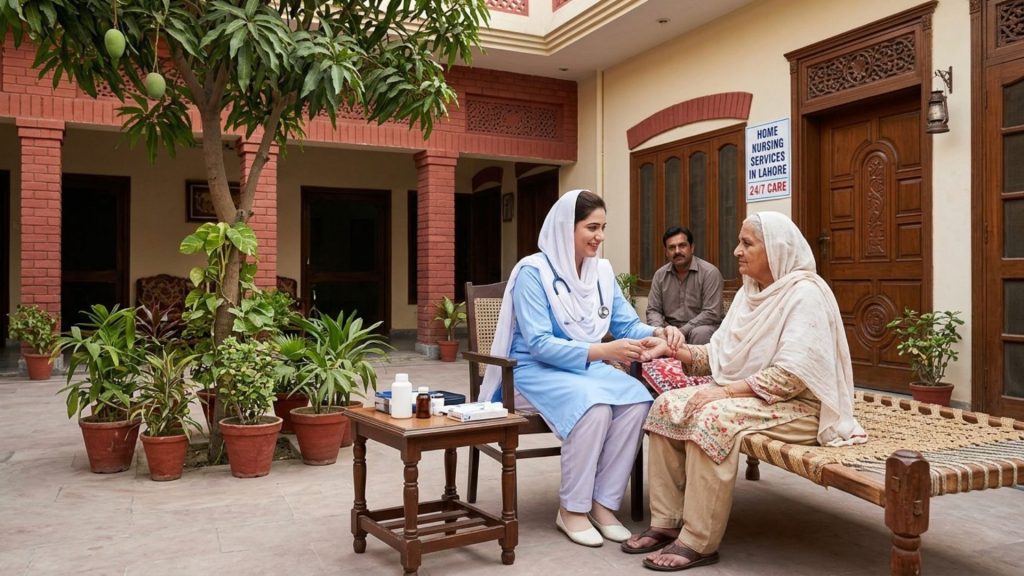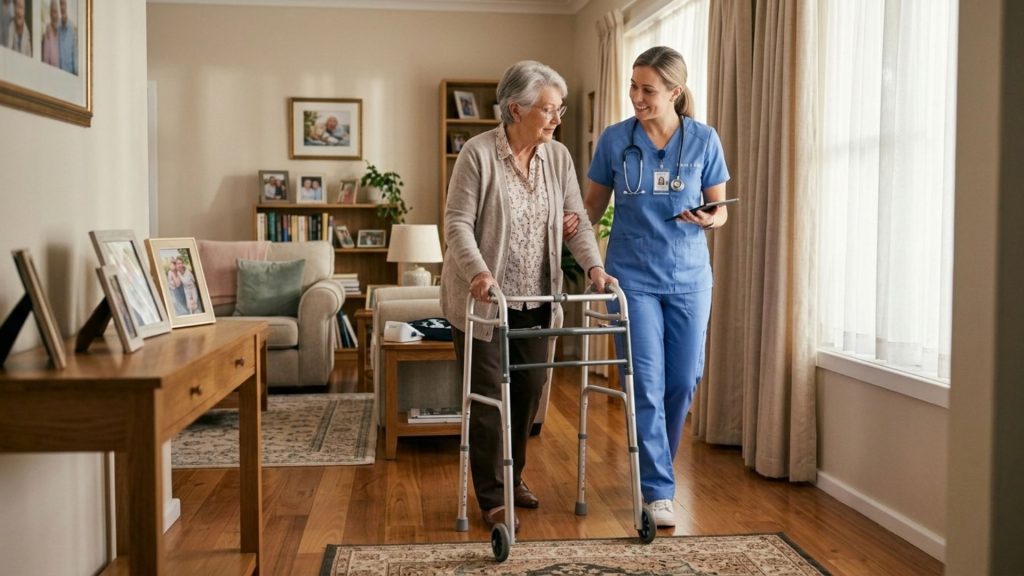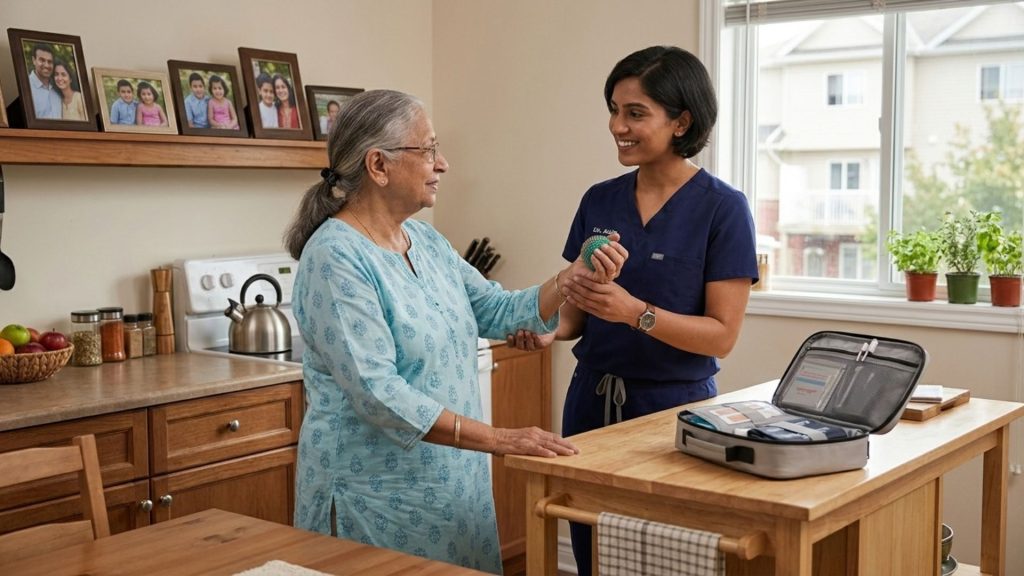
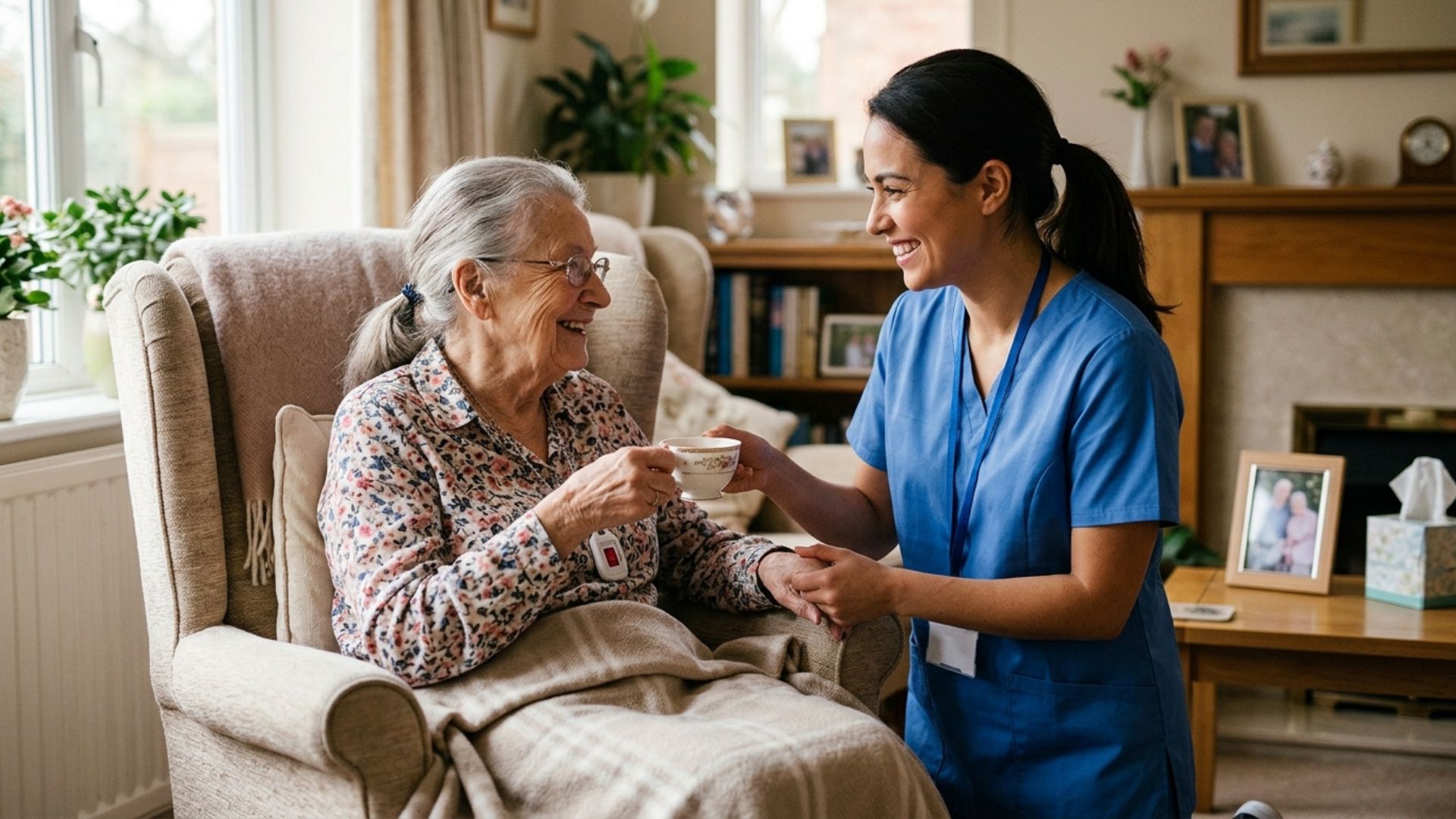
Home Care Services give patients and seniors practical support without leaving their homes. Personalized home care can make daily life safer, easier, and more comfortable. Instead of following one fixed routine, caregivers can adapt support to each person’s needs.
A senior may need help with bathing and walking. A recovering patient may need nursing care, medication support, or wound care. Others may need assistance because of limited mobility or a chronic condition. The right home care services can also reduce pressure on family members. Most importantly, care should match the person’s health needs, daily routine, preferences, and level of independence.
Read More: https://lahorehomemedicalcare.com/home-care-for-elderly-patients-lahore/
What Are Home Care Services?
Home care services provide support to people in their own homes. The level of support can vary widely. Some people need help with everyday activities. Others require professional nursing care. The main purpose is to help a person live safely and comfortably while receiving appropriate assistance at home. Care may be short-term after an illness or surgery. It may also continue for months or longer when someone needs ongoing support.
Home care doesn’t mean every patient receives medical treatment at home. Non-medical caregivers usually focus on daily living and personal support. Skilled professionals may provide healthcare services when the patient’s condition requires them. Understanding this difference matters because each type of care has different responsibilities, qualifications, and limitations.
Home Care vs. Home Healthcare
| Feature | Home Care | Home Healthcare |
|---|---|---|
| Main focus | Daily living and personal support | Skilled medical care |
| Common provider | Caregiver or home aide | Nurse or other licensed professional |
| Typical needs | Bathing, dressing, meals, mobility | Wound care, clinical monitoring, prescribed treatments |
| Duration | Short-term or ongoing | Often based on medical need |
| Medical treatment | Limited or none | Provided within professional scope |
Types of Home Care Services
Different people need different types of support. Home care services can therefore range from simple daily assistance to skilled nursing. Personal care may include bathing, grooming, dressing, toileting, eating, and safe movement around the house. These tasks may seem ordinary, yet they can become difficult after illness, injury, surgery, or age-related changes.
Other home care services may focus on nursing and recovery. A qualified nurse may provide services such as wound care, medication-related support, or health monitoring when prescribed and appropriate. Specialized support may also help people living with chronic conditions, mobility limitations, stroke-related disabilities, or other long-term care needs.
Common Home Care Services
| Service Type | Typical Support |
|---|---|
| Personal care | Bathing, grooming, dressing, toileting |
| Senior care | Daily routines, mobility, companionship |
| Home nursing | Wound care, health monitoring, prescribed nursing tasks |
| Post-surgery care | Recovery assistance, mobility, wound support |
| Chronic care | Routine support and condition-related assistance |
| Respite care | Temporary support for family caregivers |
Who Can Benefit From Home Care Services?
Seniors often benefit from home care services when everyday tasks become harder. A person may still want to live independently but need assistance with certain activities. For example, someone might manage meals alone but require help with bathing or moving safely around the house. Personalized support allows care to focus on those specific needs.
Patients recovering from surgery can also need temporary help. Even when treatment is complete, weakness and limited movement may continue. Home care services can support daily activities during this recovery period. People living with chronic conditions may also need regular assistance with routines, medication schedules, mobility, or personal care.
What Does Personalized Home Care Mean?
Personalized home care starts with the person rather than a standard package. Every patient has a different routine, health condition, home environment, and comfort level. A useful care plan considers these differences before assigning daily responsibilities. This approach can prevent unnecessary assistance while ensuring important needs receive proper attention.
For example, one senior may need help getting dressed in the morning. Another may need assistance with meals and safe movement. A recovering patient might need short-term nursing support instead. Home care services become more useful when the schedule reflects these individual requirements.
“Good home care supports independence while providing help where it is actually needed.”
Individual Assessment
A proper assessment usually considers the person’s daily activities, mobility, personal-care needs, health instructions, home environment, and family involvement. The provider can then determine which home care services fit the situation. The plan should also be reviewed when the person’s condition changes.
What Does a Home Care Plan Include?
A home care plan explains what support a person will receive and when that support will happen. It may describe personal-care tasks, mobility assistance, meals, companionship, nursing responsibilities, and communication arrangements. The exact details depend on the person’s needs and the provider’s scope of service.
A strong plan also establishes clear responsibilities. Family members should know what the caregiver handles. Caregivers should understand which tasks require professional authorization. This clarity helps prevent confusion and creates safer home care services for everyone involved.
Typical Care Plan Structure
| Care Area | What It May Cover |
|---|---|
| Personal care | Hygiene, dressing, toileting |
| Mobility | Walking and transfer assistance |
| Nutrition | Meal preparation and eating support |
| Nursing | Appropriate skilled care when provided |
| Monitoring | Observations and changes in condition |
| Communication | Updates for family or healthcare professionals |
Benefits of Personalized Home Care
One major advantage of home care services is familiarity. Patients remain in an environment they already know. Their own bed, bathroom, kitchen, and daily surroundings can make routines feel less disruptive. This can be especially valuable for older adults who prefer familiar spaces.
Personalized care can also give families practical support. Family members may have jobs, children, or other responsibilities. Providing every hour of care alone isn’t always realistic. A trained caregiver can handle appropriate daily tasks while relatives remain involved in important decisions and emotional support.
Another benefit involves independence. Good care doesn’t mean doing everything for the patient. Instead, caregivers can assist with tasks that are difficult or unsafe while allowing the person to do what they can manage independently.
Home Care Services vs. Hospital Care
Home care services and hospital care serve different purposes. Hospitals are designed for acute medical treatment, emergency care, diagnostic testing, procedures, and close clinical monitoring. Home care is generally intended for people who are stable enough to remain at home while receiving appropriate support.
The choice depends on the patient’s condition. Someone who needs routine assistance may not require hospital admission. However, a serious medical emergency requires appropriate emergency medical treatment. Home care should never be treated as a substitute for urgent hospital care when a person’s condition requires it.
| Factor | Home Care | Hospital Care |
|---|---|---|
| Setting | Patient’s home | Medical facility |
| Main purpose | Daily or selected healthcare support | Acute medical treatment |
| Environment | Familiar home setting | Clinical setting |
| Emergency treatment | Not designed for emergencies | Designed for emergency care |
| Care intensity | Depends on service | Can provide continuous clinical monitoring |
| Family involvement | Often easier | Depends on hospital policies |
How to Choose the Right Home Care Service
Choosing home care services starts with identifying the actual need. A family should first determine whether the person needs personal assistance, nursing, mobility support, companionship, recovery care, or several services together. Choosing a service before understanding the need can lead to poor planning.
Provider qualifications also matter. Families should ask about caregiver training, professional credentials where applicable, experience, supervision, scheduling, and replacement arrangements. Pricing deserves attention as well. A low hourly rate isn’t necessarily cheaper if important services cost extra.
Questions Worth Asking
| Question | Why It Matters |
|---|---|
| Who provides the care? | Clarifies caregiver qualifications |
| How is the patient assessed? | Shows how needs are identified |
| Can the plan change? | Patients’ needs can evolve |
| What does the price include? | Prevents unexpected charges |
| What happens if a caregiver is absent? | Confirms backup arrangements |
| How are families updated? | Supports clear communication |
How Much Do Home Care Services Cost?
The cost of home care services depends on several factors. Location plays a role. So does the number of hours, type of caregiver, level of professional skill, and complexity of care. Nursing services usually differ in price from general personal assistance because they require different qualifications and responsibilities.
Families should compare complete service packages rather than looking at one hourly number. Ask whether transportation, supplies, overnight care, assessments, or additional visits cost extra. A clear written quotation makes comparison much easier.
When Is Home Care Not Enough?
Home care services are generally appropriate when a person can safely remain at home with the required support. However, some situations require urgent medical attention. Sudden loss of consciousness, severe breathing difficulty, serious bleeding, major injury, or other emergency symptoms should not be managed as routine home care.
A caregiver should also report significant changes in the patient’s condition according to the agreed care plan. The goal is not to replace medical judgment. It is to make sure the person receives the right level of help at the right time.
How Home Care Providers Support Patient Safety
Safety should remain central to home care services. Falls are a common concern for people with limited mobility. Caregivers can support safer movement by following the patient’s care instructions and keeping frequently used areas accessible. Families can also reduce hazards by maintaining clear walking paths and suitable lighting.
Medication safety requires similar care. Caregivers should follow the agreed instructions and avoid changing prescribed treatment without appropriate professional direction. Infection prevention also matters. Good hand hygiene, clean equipment, and proper care procedures can reduce avoidable risks.
How Families Can Work With Home Caregivers
Family involvement can make home care services more effective. Caregivers should understand the patient’s normal routine, preferences, important appointments, and relevant care instructions. Families should also communicate changes promptly rather than assuming the caregiver will discover everything independently.
Regular communication creates a better working relationship. It also helps everyone understand what the caregiver can and cannot do. When the patient’s needs change, the family and provider should review the care plan instead of continuing an outdated routine.
How to Start Home Care Services
Starting home care services doesn’t need to be complicated. Begin by identifying the person’s daily and healthcare-related needs. Next, determine whether non-medical support, skilled nursing, or a combination is appropriate. The provider can then assess the situation and develop a suitable schedule.
Before services begin, review the responsibilities, working hours, costs, communication process, and cancellation terms. Introduce the caregiver to the patient and explain important routines. Afterward, monitor how the arrangement works. If the patient’s needs change, the care plan should change with them.
FAQs
What are home care services?
Home care services provide support to patients, seniors, and other people who need assistance at home. Services may include personal care, daily activities, mobility assistance, companionship, or qualified nursing care.
Who can benefit from home care services?
Seniors, patients recovering from surgery, people with mobility limitations, and individuals living with ongoing care needs may benefit. The appropriate service depends on the person’s condition and daily requirements.
Can a nurse provide care at home?
Yes. Qualified nurses can provide appropriate skilled services at home when those services are available through the provider and suitable for the patient’s needs. The exact care depends on professional qualifications and medical instructions.
How much do home care services cost?
Costs vary according to location, hours, caregiver qualifications, care complexity, and service type. Nursing care and specialized support may cost more than basic personal assistance.
Can home care replace hospital treatment?
No. Home care services are not a replacement for emergency or hospital-level treatment. People with serious or rapidly worsening symptoms may need urgent medical evaluation and hospital care.
Conclusion
Home care services can give patients and seniors practical support while they remain at home. The right plan should match their health needs, routine, mobility, and level of independence. Personalized care may include daily assistance, recovery support, companionship, or qualified nursing services. However, home care isn’t designed for every medical situation. Emergency conditions require appropriate medical treatment. Before choosing a provider, compare qualifications, services, schedules, costs, communication, and backup arrangements. A thoughtful care plan can make daily support more organized, comfortable, and responsive to changing needs.