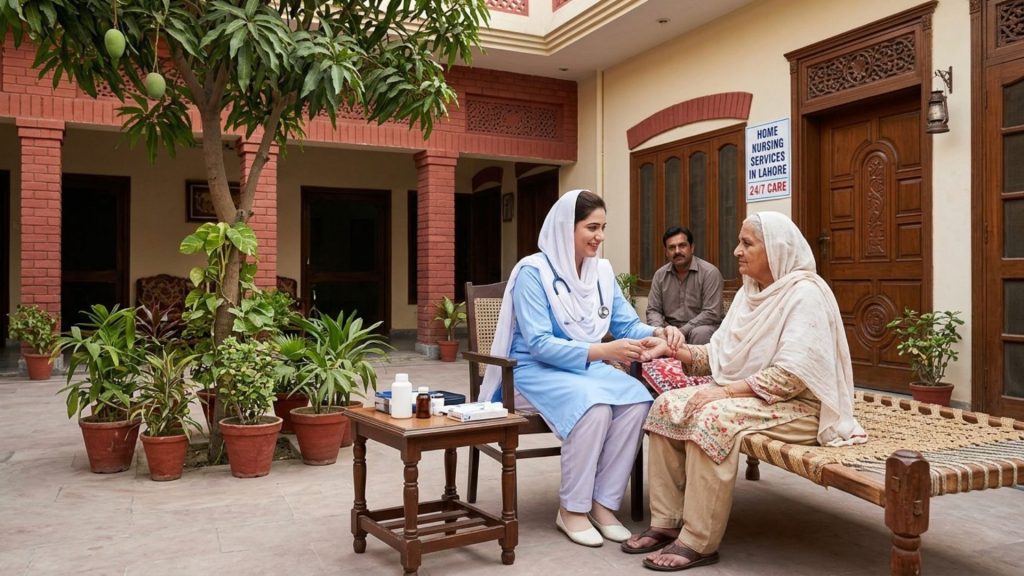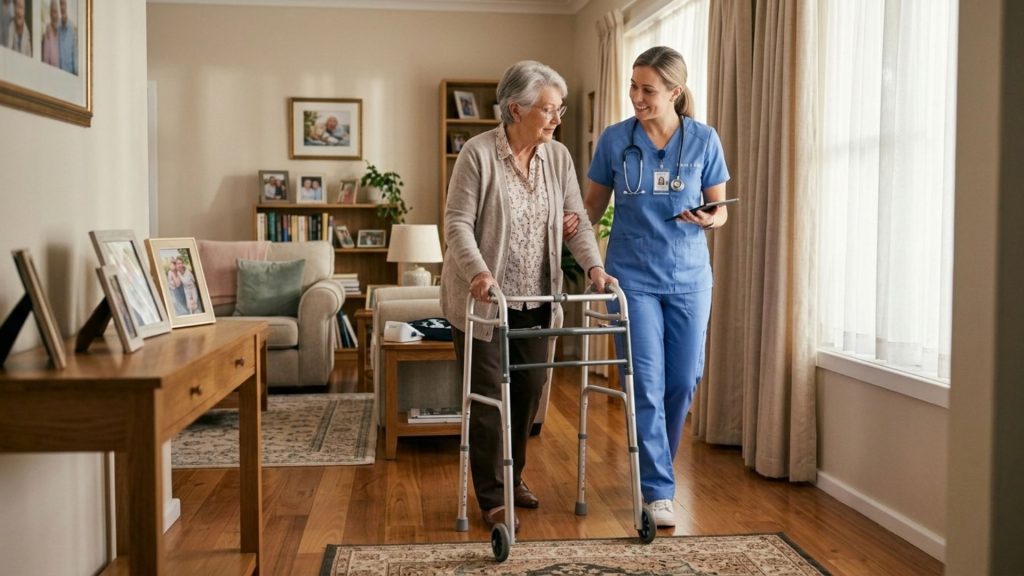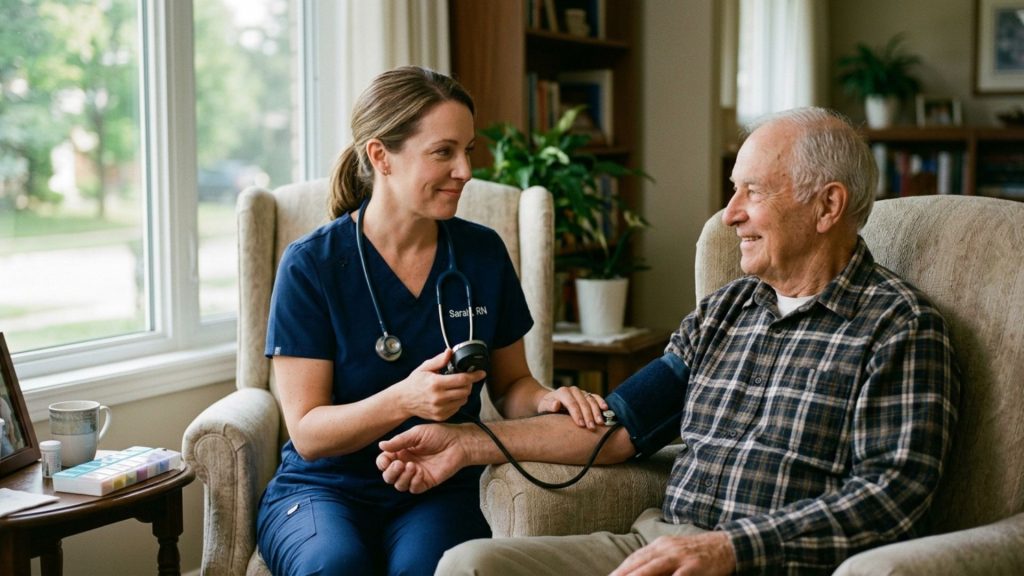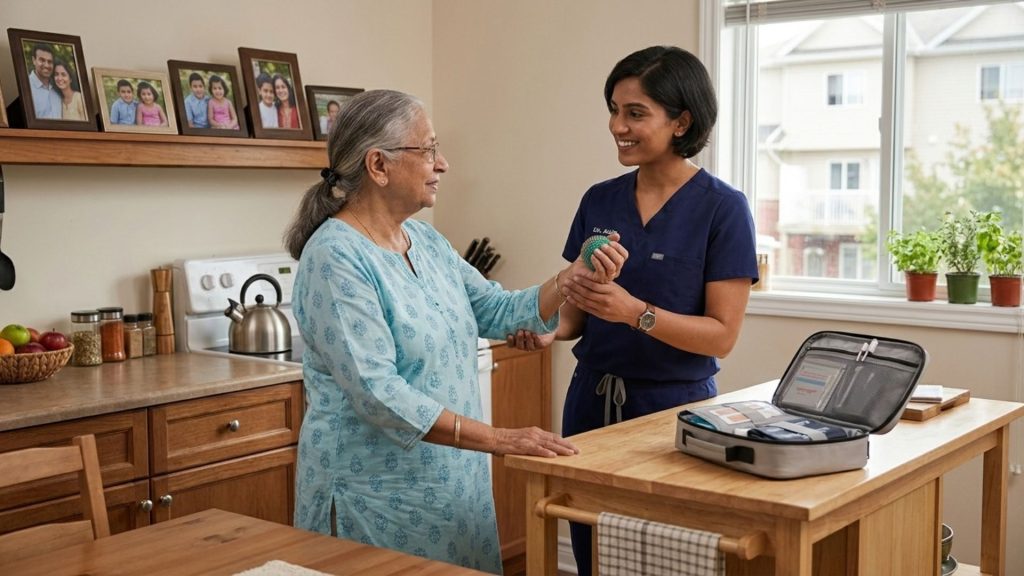
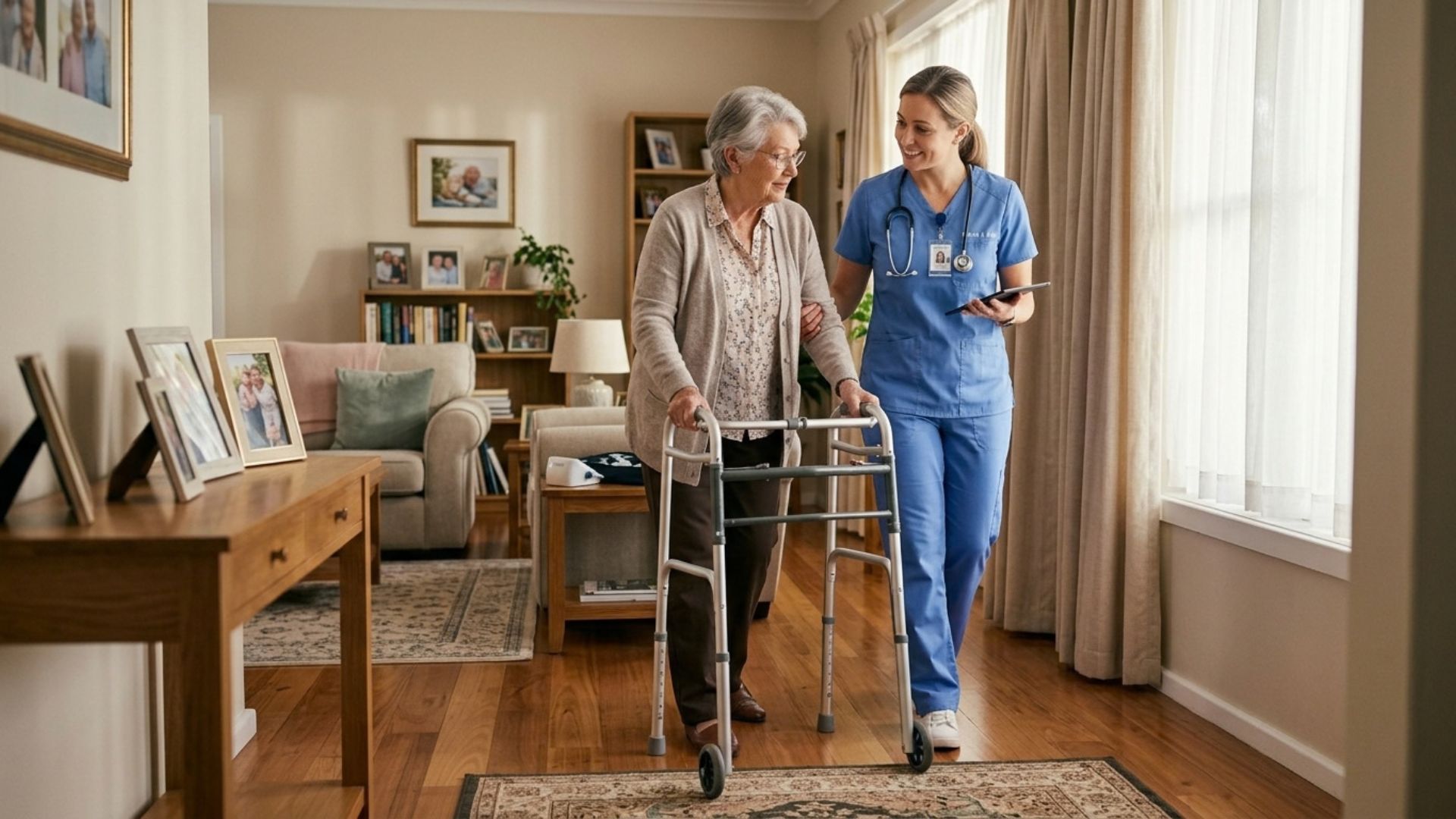
Home Medical Services bring professional healthcare closer to you when traveling to a hospital becomes difficult. They can support recovery, chronic disease management, elderly care, wound treatment, and other medical needs at home. Instead of spending hours in a waiting room, you can receive suitable care in a familiar environment. However, home healthcare isn’t simply about sending a nurse to someone’s house.
Proper care requires qualified professionals, a clear care plan, safe procedures, and communication with the treating doctor. The right home medical services can make daily care easier while helping families monitor changes in a patient’s condition. Most importantly, home care should match the patient’s medical needs and should never delay emergency treatment when serious symptoms appear.
Read More: https://lahorehomemedicalcare.com/best-home-medical-care-in-lahore/
What Are Home Medical Services?
Home medical services are healthcare services provided in a patient’s home by qualified medical professionals. Depending on the patient’s condition, these services can include doctor consultations, skilled nursing, wound care, physiotherapy, medication support, injections, monitoring, and selected diagnostic services. The exact services differ between providers and locations.
The main idea is simple. You receive appropriate medical support without needing to travel for every routine healthcare need. Home health programs can help patients recover from illness or injury, maintain their current condition, or manage certain long-term needs.
What Do Home Medical Services Include?
Home medical services can cover several types of professional care. A doctor may visit the patient for an assessment or follow-up consultation. A qualified nurse may monitor vital signs, administer prescribed medication, provide injections, change dressings, or support other ordered procedures.
Home care may also include physiotherapy and rehabilitation. Some providers arrange laboratory sample collection or medical equipment when appropriate. However, not every agency offers every service. Always confirm the exact service before booking.
| Service | Typical Purpose | Professional Involved |
|---|---|---|
| Doctor home visit | Assessment and follow-up | Doctor |
| Skilled nursing | Clinical monitoring and treatment | Registered or qualified nurse |
| Wound care | Dressing and wound monitoring | Nurse |
| Physiotherapy | Mobility and rehabilitation | Physiotherapist |
| Diagnostic collection | Sample collection at home | Trained healthcare staff |
Medicare’s official home health guidance also lists skilled nursing, physical therapy, occupational therapy, speech therapy, medical social services, certain supplies, and selected home health aide services.
Benefits of Home Medical Services
One major benefit of home medical services is convenience. A patient doesn’t always need to arrange transportation for routine follow-up care. This can matter greatly for older adults, people with limited mobility, and patients recovering from surgery.
Another advantage is continuity. A consistent care plan can help families understand medications, wound changes, vital signs, and recovery progress. Home care can also make it easier for caregivers to observe everyday changes. Still, convenience shouldn’t be confused with complete hospital-level care. A home setting has clear limits.
For example, a patient recovering from knee surgery may need dressing changes and physiotherapy at home. That doesn’t mean the patient can safely manage a sudden complication without medical evaluation.
Who Needs Medical Care at Home?
Home medical services can help people whose health needs can be safely managed outside a hospital. Elderly patients may need regular monitoring or nursing support. Someone recovering after surgery may need wound care, medication assistance, or rehabilitation. Patients with chronic illnesses may also require regular professional support.
Home care can be especially useful after hospital discharge. The transition from hospital to home can feel overwhelming for families. A structured care plan gives everyone clearer responsibilities and helps the patient continue appropriate treatment.
| Patient Need | Possible Home Support |
|---|---|
| Elderly care | Monitoring, nursing, mobility support |
| Post-surgery recovery | Wound care, medication support, physiotherapy |
| Chronic illness | Regular monitoring and treatment support |
| Limited mobility | Nursing and rehabilitation |
| Bedridden care | Nursing, hygiene, positioning, wound prevention |
Not every patient is suitable for home care. Patients who require intensive monitoring, emergency procedures, or advanced hospital equipment may need facility-based treatment.
Home Medical Services for Elderly Patients
Older adults often face several health challenges at the same time. They may have diabetes, high blood pressure, arthritis, mobility problems, or other chronic conditions. Regular home medical services can reduce the burden of frequent travel while supporting their ongoing care.
Professional support can include checking vital signs, following prescribed medications, helping with mobility, and monitoring changes that should be reported to a doctor. Family members can also receive guidance about safe daily care. However, professional assessment remains important when a patient’s condition changes suddenly.
The goal isn’t simply to keep an elderly person at home. The goal is to provide safe and appropriate healthcare in the home when the patient’s condition allows it.
Post-Surgery Medical Care at Home
The period after surgery deserves careful attention. Once a patient leaves the hospital, the responsibility for daily recovery often shifts to the patient and family. Home medical services can support this transition through nursing visits, wound care, medication assistance, monitoring, and physiotherapy.
Wound care is particularly important. A healthcare professional can check the surgical site and follow the prescribed dressing procedure. The patient should also understand which changes require medical attention. Increasing redness, swelling, drainage, fever, worsening pain, or other concerning symptoms should not simply be ignored.
| Post-Surgery Need | Home Care Role |
|---|---|
| Surgical dressing | Dressing changes as ordered |
| Medication | Support with prescribed medicines |
| Mobility | Physiotherapy and safe movement |
| Monitoring | Checking relevant vital signs |
| Recovery education | Guidance for patient and caregiver |
Official home health guidance recognizes skilled wound care, injections, monitoring, and therapy among services that may be provided at home when medically appropriate.
Home Care for Chronic Conditions
Chronic diseases often require consistency rather than occasional attention. Home medical services can support patients who need repeated monitoring or professional assistance as part of their treatment plan. Diabetes, hypertension, respiratory problems, and mobility-related conditions may require ongoing care.
For instance, a patient may need regular blood pressure monitoring and medication support. Another patient may require nursing care after a prolonged illness. The healthcare professional should follow the treating clinician’s instructions rather than independently changing medication or treatment.
Good home care also involves communication. Important changes should reach the patient’s doctor promptly. A home nurse isn’t a replacement for the treating physician. Instead, the nurse can become an important link between the patient, family, and clinical team.
How Professional Home Care Works
Reliable home medical services usually begin with an assessment. The provider needs to understand the patient’s diagnosis, current condition, prescribed treatment, mobility, medications, and specific care requirements. Relevant medical records can make this process easier.
After assessment, the provider can arrange the appropriate professional and schedule. Care should follow the patient’s treatment plan. The healthcare worker should document relevant observations and communicate significant changes through the proper clinical channel.
Medicare’s home health model similarly emphasizes an ordered care plan, professional assessment, and communication between the home health agency and the patient’s healthcare provider.
How to Choose Reliable Home Medical Services
Choosing home medical services requires more than comparing prices. Start by checking whether the provider uses qualified healthcare professionals. Ask about nursing qualifications, clinical experience, available services, and supervision.
You should also ask how the provider handles emergencies, staff replacement, scheduling, infection control, and communication with doctors. Pricing should be clear before care begins. If a procedure requires a prescription or medical order, confirm that requirement in advance.
A professional provider should also respect patient privacy and dignity. Patients receiving care at home deserve clear information about their treatment and care plan. Medicare’s patient-rights guidance emphasizes participation in care decisions and access to a copy of the care plan.
Home Care vs. Hospital Care
Home medical services can be practical for selected patients. Hospital care remains essential when someone needs emergency treatment, intensive monitoring, advanced diagnostic equipment, or procedures that cannot safely be performed at home.
The difference isn’t about which setting is always better. It depends on the patient’s condition. Think of home care as one part of the healthcare system rather than a replacement for hospitals.
| Factor | Home Medical Care | Hospital Care |
|---|---|---|
| Environment | Patient’s home | Medical facility |
| Routine nursing | Available for suitable patients | Available |
| Emergency treatment | Limited | Available |
| Intensive monitoring | Generally unsuitable | Available |
| Recovery support | Convenient for selected patients | Available |
| Advanced equipment | Limited | Broadly available |
The right decision depends on medical need. A comfortable home environment cannot replace emergency treatment when a serious condition develops.
Cost of Home Medical Services
The cost of home medical services varies considerably. A single doctor visit usually has a different price from an extended nursing shift. Physiotherapy, specialized procedures, medical supplies, and travel distance can also affect the final amount.
Before booking, ask whether the quoted price covers only professional time or includes supplies and additional procedures. Also clarify whether care is charged per visit, hour, day, or month.
| Pricing Factor | Why It Matters |
|---|---|
| Professional type | Doctor, nurse, or therapist rates differ |
| Visit duration | Longer visits may cost more |
| Procedure | Specialized procedures require different resources |
| Frequency | Daily care costs more than occasional visits |
| Location | Travel distance may affect charges |
| Supplies | Dressings and other supplies may add costs |
Don’t choose solely on the lowest price. In healthcare, qualifications, safety, communication, and reliability matter too.
Safety Standards at Home
Safe home medical services require proper hygiene and careful treatment procedures. Healthcare workers should use appropriate infection-control practices and handle medical supplies correctly. Medication should follow the prescribed instructions.
Families should keep important medical documents accessible. These may include prescriptions, discharge papers, medication lists, allergies, and emergency contact details. A clean and organized care area can also make procedures safer.
Home healthcare has boundaries. Even an experienced nurse cannot provide the same emergency resources available in a hospital. Families should understand these limits before arranging long-term home care.
When to Contact a Doctor or Emergency Service
Some symptoms require immediate medical attention. Severe breathing difficulty, loss of consciousness, major bleeding, sudden confusion, severe chest symptoms, or other potentially life-threatening changes should not be managed solely through home medical services.
After surgery, increasing wound redness, significant swelling, unusual drainage, fever, or rapidly worsening pain may require prompt clinical assessment. The appropriate response depends on the patient’s condition and the treating professional’s instructions.
When an emergency is suspected, contact your local emergency service or go to the nearest appropriate medical facility. Home care should never delay urgent treatment.
How to Arrange Home Medical Services
Start by identifying exactly what the patient needs. A doctor visit, nursing procedure, wound dressing, or physiotherapy session may require different professionals. Gather prescriptions and recent medical records before contacting a provider.
Next, confirm availability, qualifications, service hours, pricing, and the expected care schedule. Ask whether the provider will communicate important changes to the treating doctor. Clear communication at the beginning can prevent confusion later.
A well-planned arrangement makes home medical services safer and more useful. It also gives family members a clearer understanding of what the healthcare professional will provide.
FAQ’s
What are home medical services?
Home medical services are professional healthcare services delivered at a patient’s home. Depending on the provider and medical need, they may include doctor visits, skilled nursing, wound care, physiotherapy, monitoring, and selected diagnostic services.
Can a doctor visit a patient at home?
Yes. Some healthcare providers offer doctor home visits for consultations, follow-ups, chronic disease reviews, and selected medical assessments. Availability varies by location and provider.
Are home medical services suitable for elderly patients?
They can be suitable for elderly patients who need professional care that can safely be delivered at home. The patient’s medical condition should determine whether home care is appropriate.
Can patients receive post-surgery care at home?
Yes. Selected patients may receive nursing care, wound dressing, medication support, monitoring, and physiotherapy after surgery. The treatment plan should come from the patient’s healthcare professional.
When should a patient go to the hospital?
A patient should seek urgent medical attention for potentially serious symptoms such as severe breathing problems, loss of consciousness, major bleeding, severe chest symptoms, or rapidly worsening conditions. Home medical services should not delay emergency treatment.
Conclusion
Home medical services can make professional healthcare more accessible for suitable patients. They can support elderly care, post-surgery recovery, chronic disease management, wound care, nursing, and rehabilitation. However, quality matters more than convenience alone. Always choose qualified professionals and confirm the exact services, costs, and care plan before starting treatment. Keep the treating doctor informed about important changes. Most importantly, recognize the limits of home care. Serious or rapidly worsening symptoms require prompt medical evaluation. With proper planning and professional oversight, home medical services can provide practical and dependable healthcare in a familiar home environment.