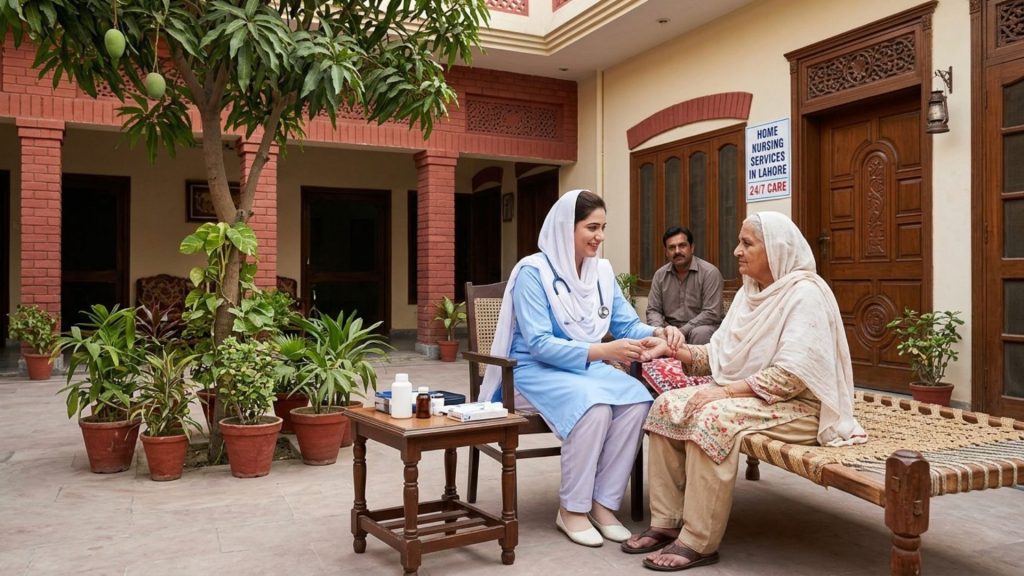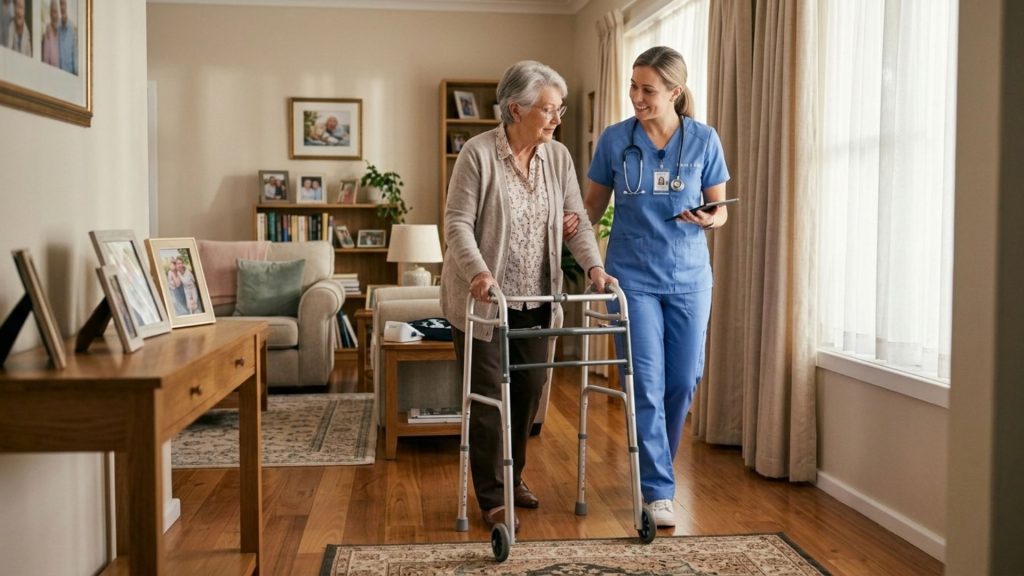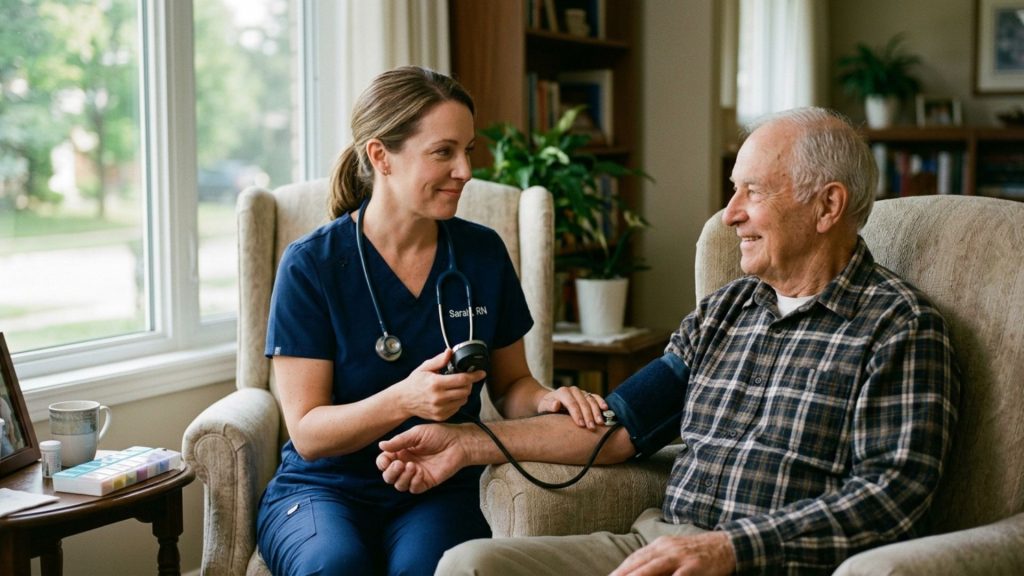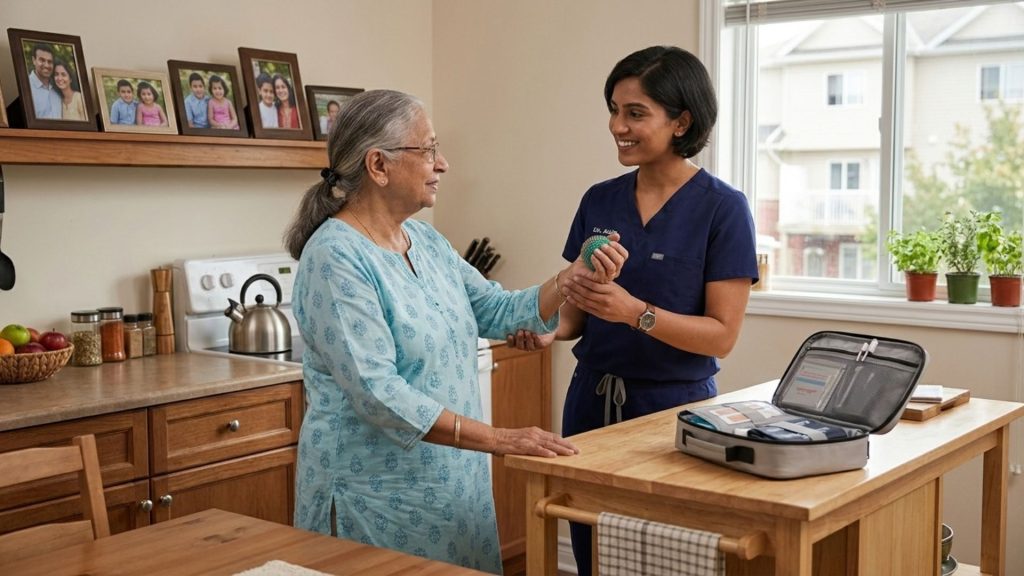
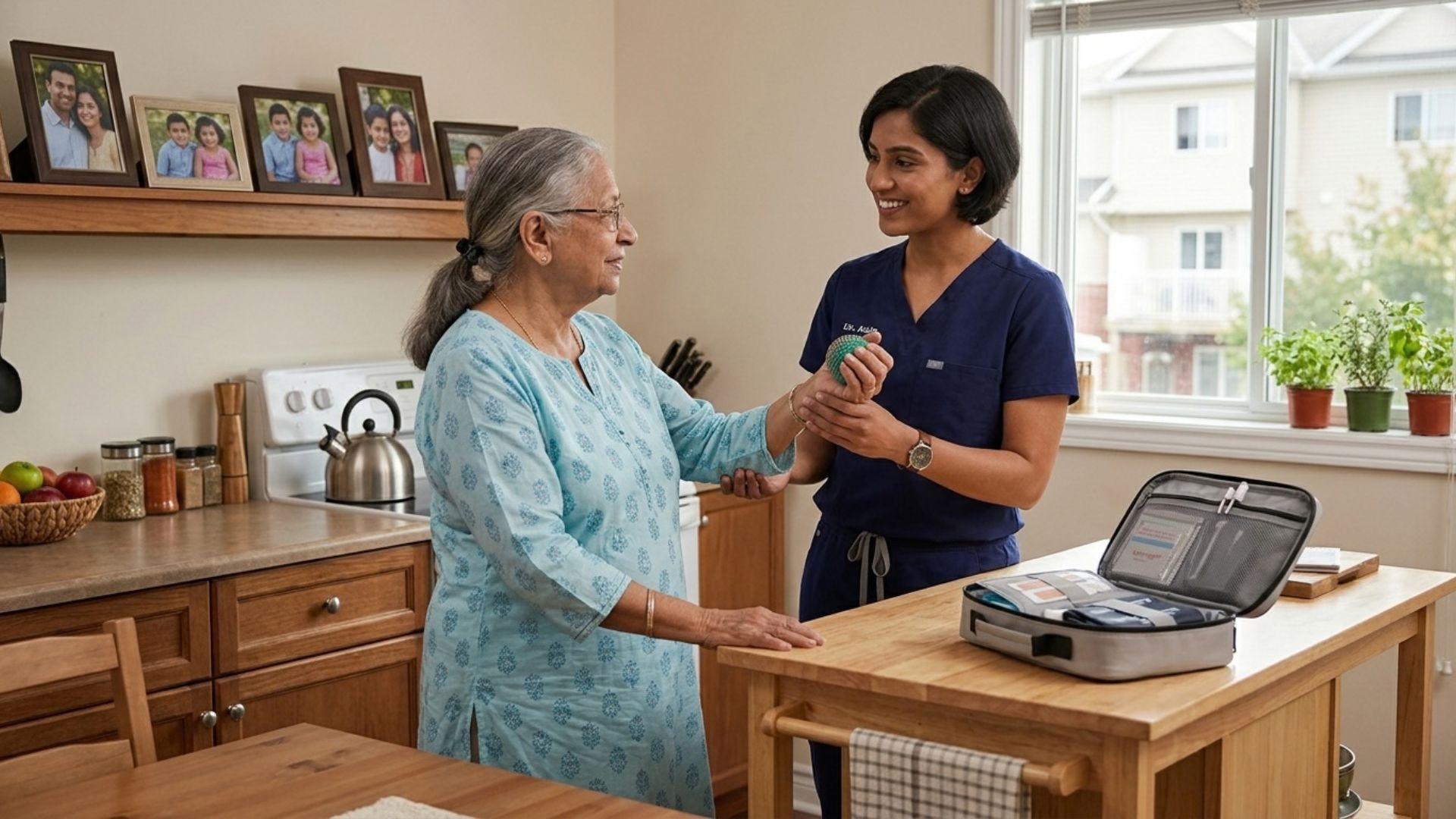
Home Nurse care brings professional nursing support directly to your home. It can help older adults, recovering patients, people with chronic conditions, and those with limited mobility. Instead of traveling to a clinic for every basic nursing need, you can receive suitable care in familiar surroundings.
A home nurse may monitor vital signs, provide prescribed treatments, change dressings, support hygiene, and observe changes in a patient’s condition. The exact services depend on the patient’s medical needs and care plan. Home nursing can be short-term after surgery or longer-term for ongoing health needs. Most importantly, qualified nursing care should complement medical treatment rather than replace a doctor.
Read More: https://lahorehomemedicalcare.com/affordable-home-nursing-services-lahore/
What Is a Home Nurse?
A home nurse is a qualified nursing professional who provides appropriate nursing care in a patient’s home. The care may involve monitoring, wound care, medication-related tasks, hygiene support, and other prescribed procedures. The exact duties depend on the nurse’s qualifications and the patient’s condition. Home healthcare can support people after illness, injury, medical procedures, or hospitalization.
Home nursing is different from simply having someone around the house. A professional nurse understands clinical observations and nursing procedures. For example, a patient recovering from surgery may need wound monitoring and dressing changes. An elderly patient may need regular vital-sign checks and assistance with prescribed medicines. In both situations, the care should follow appropriate medical instructions.
What Does a Home Nurse Do?
The work of a home nurse depends heavily on the patient’s needs. A nurse may check blood pressure, pulse, temperature, oxygen saturation, or blood glucose when appropriate. The nurse may also observe changes in the patient’s condition and communicate important concerns to the family or healthcare provider. This ongoing observation can be especially useful for patients who need regular support at home.
A home nurse can also provide certain nursing procedures when properly trained and authorized. These may include wound dressing, catheter care, prescribed injections, nebulization, IV-related procedures, tube-related care, and other services. For example, Aga Khan University Hospital lists wound dressing, IV cannulation, nebulization, urinary catheterization, nasogastric tube care, stoma care, vital-sign monitoring, and hygiene support among its home-health services.
Who Needs a Home Nurse?
A home nurse can be useful when a patient needs professional support but does not require hospital admission. Elderly patients may need help because of reduced mobility or several ongoing health needs. Patients recovering from surgery may need wound care and monitoring. People with chronic conditions may also need regular nursing assistance at home.
Home nursing can also support patients with disabilities or specialized care needs. However, not every patient requires the same level of nursing support. A stable patient might need a short visit for a specific procedure. Another patient may need several hours of supervision each day. A proper assessment helps determine the right arrangement. Pakistani hospital-based home-health programs specifically serve elderly people, chronically ill patients, people recovering from surgery, disabled patients, and those requiring specialized care.
| Patient Situation | Possible Home Nursing Need |
|---|---|
| Elderly patient | Monitoring, hygiene, medication support |
| Post-surgery patient | Wound care and recovery monitoring |
| Bedridden patient | Positioning, hygiene, feeding support |
| Chronic illness | Regular monitoring and prescribed care |
| Limited mobility | Personal care and nursing procedures |
| Tube or catheter patient | Appropriate tube or catheter care |
Common Home Nursing Services
Professional home nurse services can cover many different needs. Basic nursing support may include monitoring vital signs, assisting with prescribed medicines, helping with hygiene, and observing changes in health. More specialized care can involve wound dressing, catheter care, respiratory treatments, or other procedures ordered by a healthcare professional.
The important point is that a nursing service should match the patient’s actual medical requirements. A nurse should not perform a procedure simply because a family member requests it. The procedure should be appropriate for the patient’s condition and within the nurse’s training and professional scope. MedlinePlus notes that home health nurses can help manage wounds, medical problems, medicines, and other clinical needs at home.
| Service | What It May Involve |
|---|---|
| Vital-sign monitoring | Checking blood pressure, pulse, temperature, or oxygen level |
| Wound care | Cleaning, dressing, and observing wounds |
| Medication support | Giving or assisting with prescribed medicines |
| Catheter care | Appropriate urinary catheter management |
| Nebulization | Providing prescribed respiratory treatment |
| Tube-related care | Care associated with prescribed feeding or medical tubes |
| Hygiene support | Bathing, grooming, and personal care assistance |
| Bedridden care | Repositioning, feeding, mobility, and comfort support |
Benefits of Hiring a Home Nurse
One major benefit of a home nurse is convenience. Patients with limited mobility may find frequent clinic visits tiring. Receiving suitable nursing care at home can reduce unnecessary travel. It also allows families to stay involved in daily care while a qualified professional handles appropriate nursing responsibilities.
Another benefit is continuity. A patient may leave the hospital but still need nursing support during recovery. Going home does not always mean medical care has completely ended. Wound care, medication management, mobility assistance, and monitoring may still be necessary.
Home nursing can also provide a more familiar environment. Patients often feel more comfortable in their own rooms and around family members. However, home care isn’t automatically suitable for every medical situation. Patients who need hospital-level monitoring or emergency treatment may still require a healthcare facility.
Home Nurse Care for Elderly Patients
Elderly patients may need nursing support because daily activities become harder with age, illness, weakness, or limited mobility. A home nurse can help monitor health changes and support appropriate daily care. The nurse may also assist with hygiene, mobility, nutrition-related routines, and prescribed medication tasks.
For families, professional support can also make daily care more organized. An elderly patient may have several medicines, appointments, mobility limitations, and health concerns. A structured care plan helps everyone understand what needs attention. Long-term home-health programs may also provide specialized support for geriatric patients.
Home Nursing After Surgery
The period after surgery can require careful attention. A patient may return home while the wound still needs dressing changes and while medications must be taken correctly. A home nurse can provide appropriate post-operative nursing support based on the discharge instructions and care plan.
For example, consider a patient who has undergone abdominal surgery. The patient may need wound observation, dressing changes, prescribed medication support, and help moving safely. A nurse can monitor the recovery process and report concerning changes to the appropriate healthcare professional. This does not mean the nurse replaces the surgeon. Instead, the nurse helps carry out appropriate care between medical appointments.
Important: Home nursing supports medical treatment. It does not replace a doctor, surgeon, or emergency service.
Home Nurse vs. General Caregiver
A home nurse and a general caregiver are not the same. A nurse has professional nursing education and may perform appropriate clinical tasks within their training and authorization. A caregiver usually focuses more on daily living support such as bathing, dressing, meals, companionship, and mobility assistance.
The difference becomes important when a patient needs clinical procedures. For example, helping someone eat is a personal-care task. Managing a prescribed wound-care procedure requires appropriate clinical knowledge. MedlinePlus also distinguishes home health nurses from home health aides, caregivers, and other professionals who provide non-skilled assistance.
| Care Area | Home Nurse | General Caregiver |
|---|---|---|
| Clinical nursing procedures | Appropriate procedures within scope | Usually limited |
| Vital-sign monitoring | Yes, when appropriate | May provide basic assistance |
| Wound care | Can provide trained nursing care | Generally not a substitute |
| Hygiene | Yes | Yes |
| Feeding assistance | Yes | Yes |
| Companionship | May provide | Common role |
| Medical observation | Professional nursing observation | General observation |
How to Choose the Right Home Nurse
Choosing a home nurse should start with qualifications. In Pakistan, families can verify nursing professionals through the Pakistan Nursing and Midwifery Council. PNMC provides services for nursing registration, license verification, and renewal.
Experience also matters. A nurse who regularly handles elderly patients may have different experience from someone who mainly works with post-surgical patients. Ask about experience related to the patient’s specific needs. You should also confirm the shift schedule, exact services, emergency communication process, fees, and whether medical supplies are included.
Before hiring, discuss the patient’s condition clearly. Explain existing wounds, medicines, mobility problems, tubes, catheters, and other relevant needs. Clear information helps the provider assign someone with suitable experience.
How Home Nursing Care Is Arranged
The process usually starts with an assessment. The family explains the patient’s condition and the type of assistance required. A healthcare provider may also provide discharge instructions, prescriptions, or a care plan. These details help determine whether home nursing is appropriate.
The next step is matching the patient with a suitable nurse. The schedule may involve a single visit, regular visits, daytime shifts, nighttime shifts, or longer arrangements. Professional providers may create customized plans for short-term recovery and long-term care. Aga Khan University Hospital describes customized home-health plans for both short-term and long-term patient needs.
How Much Does a Home Nurse Cost?
The cost of a home nurse varies because home nursing isn’t one fixed service. The patient’s condition, required hours, nursing procedures, location, schedule, and level of expertise can all affect the price. A short nursing visit will usually involve a different arrangement from extended daily care.
You should ask for a complete quotation before starting service. Confirm whether the price covers nursing visits, procedures, transportation, supplies, night shifts, or additional services. Local rates can also differ significantly between cities and providers. Therefore, a single nationwide price can be misleading.
| Cost Factor | Why It Matters |
|---|---|
| Nursing hours | Longer shifts require more nursing time |
| Patient condition | Complex care may need greater expertise |
| Procedures | Specialized procedures can affect charges |
| Shift timing | Night or extended shifts may have different rates |
| Location | Travel and local availability can affect pricing |
| Care duration | Short-term and long-term arrangements may differ |
When Should You Call a Doctor?
A home nurse should never be treated as a replacement for emergency medical care. If a patient’s condition suddenly becomes serious, contact emergency medical services or seek urgent medical evaluation. Severe breathing difficulty, major bleeding, loss of consciousness, severe chest pain, or sudden deterioration can require immediate medical attention.
The nurse can help identify concerning changes and communicate them according to the care plan. However, diagnosis and major treatment decisions belong with the appropriate healthcare professionals. Home nursing is safest when everyone understands their role.
Home Nursing Safety and Infection Control
Safety should remain central during every home nursing visit. Clean hands, appropriate equipment, proper wound-care techniques, safe medication handling, and correct disposal of sharps all matter. The home environment should also provide enough space for safe patient movement and nursing procedures.
Privacy and dignity matter too. A professional home nurse should communicate respectfully and protect patient information. Families should keep important medical records, prescriptions, discharge papers, and emergency contacts accessible. Good organization can prevent confusion when several people participate in care.
Home Nursing Care: A Simple Case Study
Consider an older patient returning home after surgery. The patient can walk with assistance but cannot manage wound care independently. The family can provide companionship but isn’t comfortable handling clinical procedures. In this situation, a home nurse may support wound care, monitor relevant vital signs, assist with prescribed medicines, and report unusual changes.
As recovery improves, the required nursing support may decrease. The patient may eventually need only family assistance and follow-up appointments. This example shows why home nursing should be based on actual needs rather than a fixed package. The care plan should change when the patient’s condition changes.
FAQ’s
What is a home nurse?
A home nurse is a qualified nursing professional who provides appropriate nursing care in a patient’s home. Services depend on the patient’s condition, medical instructions, and the nurse’s professional scope.
What services does a home nurse provide?
Services may include vital-sign monitoring, wound care, medication-related tasks, catheter care, nebulization, hygiene support, and other prescribed nursing procedures. Not every nurse provides every service.
Can a home nurse care for elderly patients?
Yes. Elderly patients may receive nursing support for health monitoring, mobility assistance, hygiene, prescribed care, and other appropriate needs. The exact plan depends on their health condition.
Can a home nurse provide post-surgery care?
Yes. Post-surgery home nursing may include wound care, monitoring, medication support, and assistance with recovery. The nurse should follow the surgeon’s or healthcare provider’s instructions.
How can you verify a home nurse in Pakistan?
You can check professional registration through the Pakistan Nursing and Midwifery Council (PNMC). PNMC provides online services for registration and license verification.
Conclusion
A home nurse can bring professional nursing support into a familiar home environment. This care can help elderly patients, post-surgery patients, people with chronic conditions, and those with limited mobility. The right service depends on the patient’s actual medical needs. Always check qualifications, experience, services, schedule, and pricing before hiring. Most importantly, home nursing should work alongside proper medical care. When a patient’s condition becomes urgent or unstable, seek immediate medical attention instead of relying only on home nursing.