Home care for stroke and paralysis patients can make everyday life safer, calmer, and more manageable after a stroke. Recovery often continues long after hospital discharge. Some people regain movement quickly, while others need months or years of rehabilitation. The right support can help patients work toward greater independence while reducing preventable risks.
Home care for stroke and paralysis patients may include personal care, mobility assistance, medication support, rehabilitation routines, nutrition, emotional support, and safety supervision. Most importantly, care should match the patient’s abilities and medical needs. Stroke recovery isn’t the same for everyone. A personalized plan gives patients the best chance to make meaningful progress.
Read More: https://lahorehomemedicalcare.com/home-care-for-diabetic-patients-lahore/
Understanding Stroke and Paralysis
A stroke happens when blood flow to part of the brain becomes blocked or when a blood vessel in the brain bleeds. Because the brain controls movement, speech, sensation, memory, and many other functions, the effects can vary greatly. One person may have mild weakness, while another may have severe mobility problems. Some people also experience speech difficulties, swallowing problems, memory changes, balance issues, or emotional changes.
Paralysis can occur when a stroke damages areas of the brain responsible for movement. Hemiparesis means weakness on one side of the body. Hemiplegia refers to more severe paralysis on one side. These problems can affect walking, dressing, bathing, eating, and other everyday activities. According to the CDC, stroke recovery can take weeks, months, or even years. Some people recover fully, while others have lasting disabilities.
| Common Post-Stroke Problem | How It Can Affect Daily Life | Possible Support |
|---|---|---|
| Weakness or paralysis | Walking and transfers become difficult | Mobility assistance and therapy |
| Speech problems | Communication becomes harder | Speech and language therapy |
| Swallowing problems | Eating and drinking may become unsafe | Swallowing assessment |
| Balance problems | Falls become more likely | Mobility training and home safety |
| Cognitive changes | Memory and planning may become difficult | Structured routines and supervision |
Why Home Care Matters After a Stroke
Returning home can feel comforting after hospitalization. However, it can also expose problems that weren’t obvious in a controlled medical setting. Stairs, bathrooms, beds, narrow hallways, loose rugs, and ordinary household furniture can become obstacles. A patient who could transfer safely with hospital equipment may struggle in a bedroom or bathroom at home.
Good home care for stroke and paralysis patients bridges this gap. It brings appropriate assistance into the patient’s normal environment. Care can focus on safe transfers, personal hygiene, medication routines, meals, mobility, and prescribed rehabilitation activities. NICE recommends creating a safe and enabling home environment before transfer from hospital and ensuring that care needs, rehabilitation goals, medication needs, and caregiver needs are communicated across providers.
Essential Home Care Services for Stroke Patients
Daily care should protect the patient’s dignity while encouraging independence. A caregiver shouldn’t automatically do every task for someone who can safely perform part of it. Instead, the goal is to provide the right amount of assistance. For example, a patient may need help standing but still be able to brush their teeth independently.
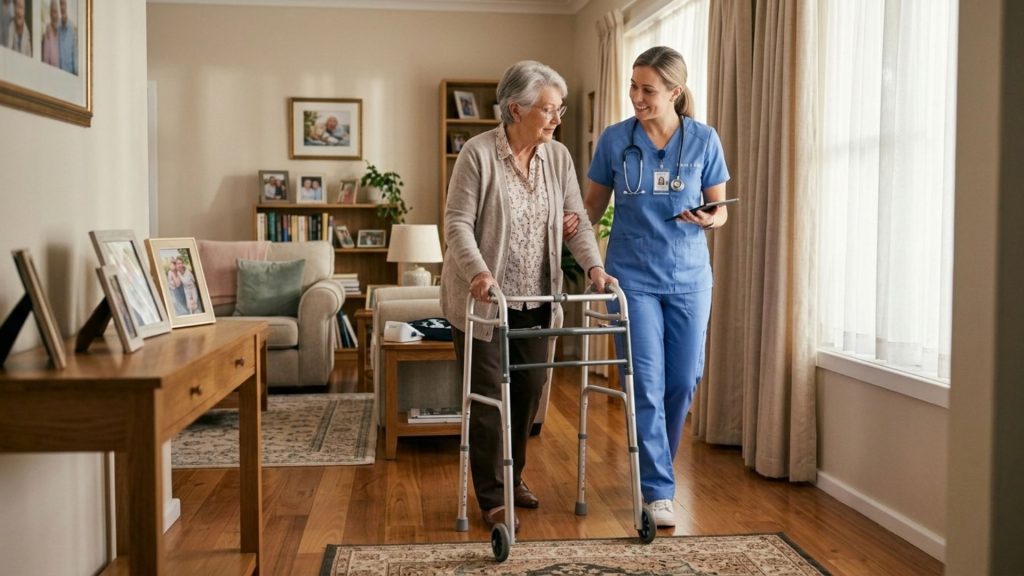
Personal care can include bathing, dressing, grooming, toileting, oral hygiene, and assistance with meals when appropriate. Mobility support can involve bed-to-chair transfers, wheelchair use, walking assistance, and positioning. Medication support may involve reminders and maintaining an accurate medication schedule. Clinical tasks should only be performed by appropriately qualified professionals.
| Home Care Area | Main Purpose |
|---|---|
| Personal care | Maintain hygiene, comfort, and dignity |
| Mobility support | Reduce falls and unsafe transfers |
| Medication support | Improve adherence to prescribed treatment |
| Meal assistance | Support safe and adequate nutrition |
| Positioning | Protect comfort, mobility, and skin |
| Companionship | Reduce isolation and encourage engagement |
Paralysis Patient Care at Home
Caring for someone with significant paralysis requires patience and proper technique. Weak muscles can make simple movements surprisingly difficult. A caregiver may need to help with turning, sitting, transferring, dressing, or moving between rooms. However, caregivers should avoid pulling forcefully on a weak arm or attempting unsafe manual lifts.
Positioning also deserves close attention. A weak limb may need appropriate support while the patient rests in bed or sits in a chair. Long periods of immobility can increase the risk of complications such as skin breakdown and blood clots. The 2026 AHA/ASA stroke-rehabilitation guideline highlights secondary complications related to immobility, including skin breakdown and venous thromboembolism.
Supporting Stroke Recovery at Home
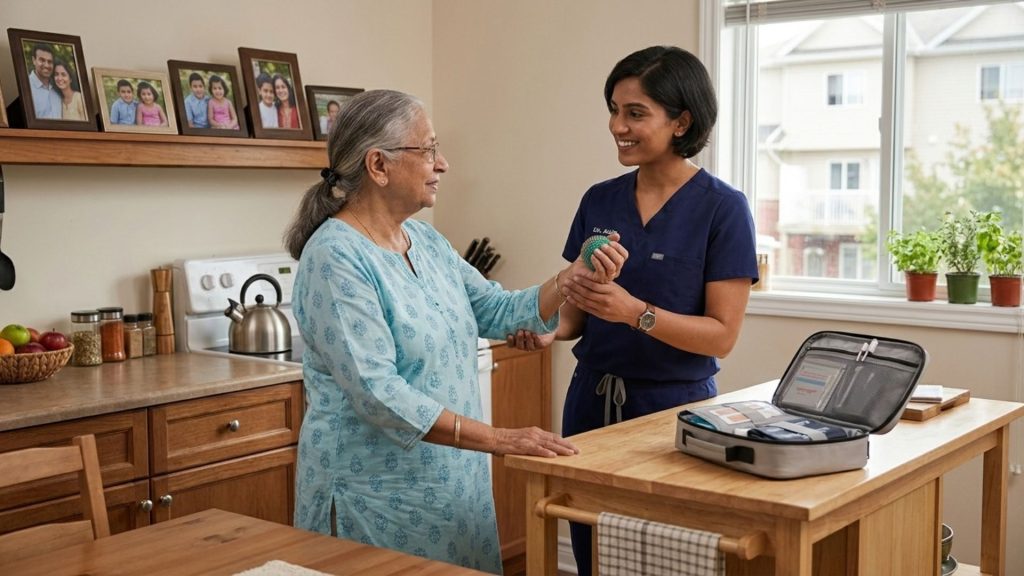
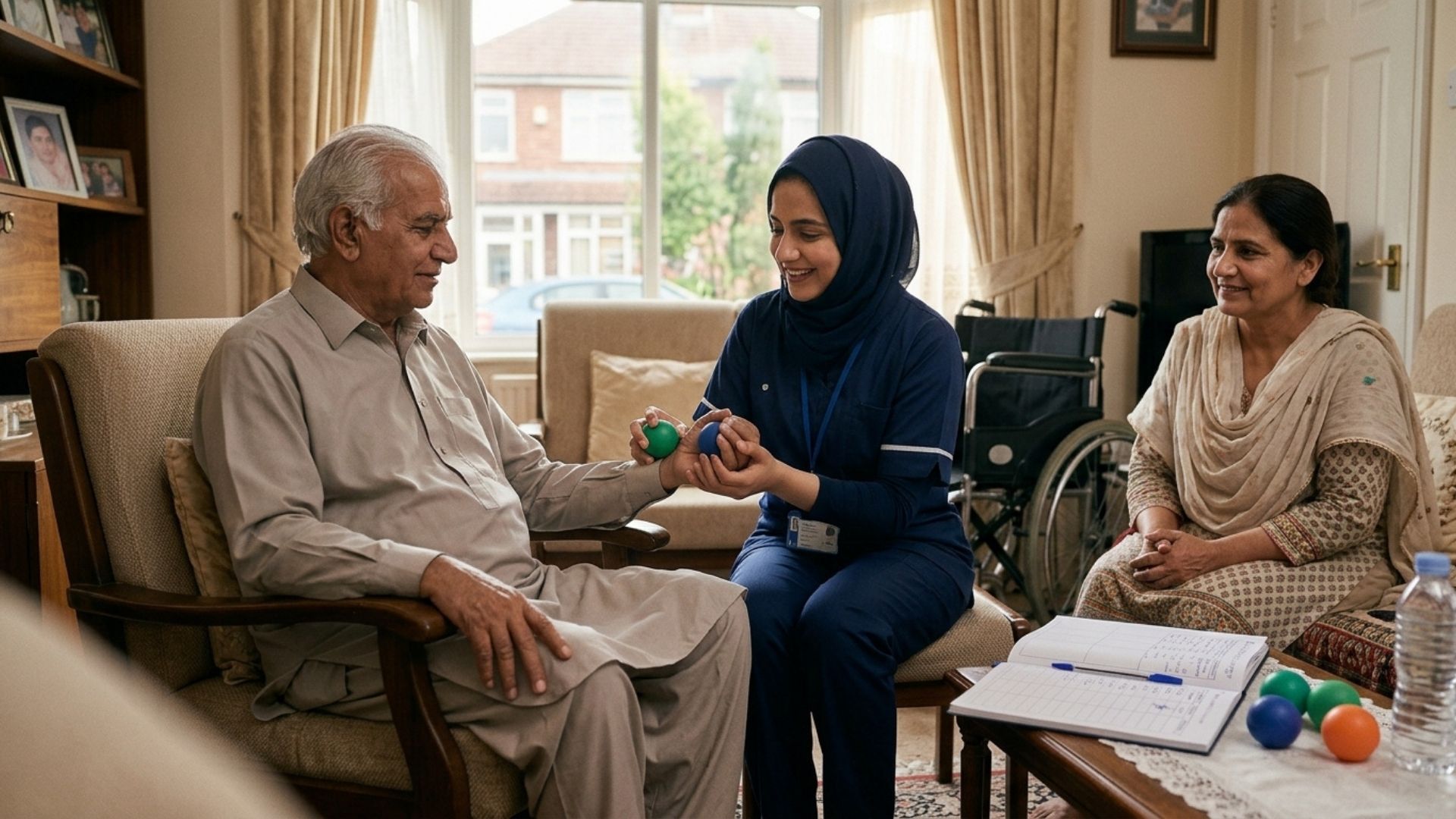
Recovery doesn’t stop when formal hospital treatment ends. Rehabilitation often continues through physical therapy, occupational therapy, and speech-language therapy. Each discipline addresses different problems. Physical therapy may focus on strength, balance, walking, and transfers. Occupational therapy can help patients relearn practical activities such as dressing and bathing. Speech-language therapy can address communication and swallowing difficulties.
The current AHA/ASA guidance emphasizes multidisciplinary rehabilitation and sufficient task practice based on individual needs. It also recommends periodic reassessment because a patient’s goals can change as recovery progresses.
A useful home routine should balance activity and rest. Prescribed exercises can be practiced according to the therapist’s instructions. Family members can encourage participation without forcing movements or creating unrealistic expectations. Small achievements matter. Standing safely for an extra minute or completing part of a dressing routine can represent meaningful progress.
Preventing Common Stroke Recovery Complications
Preventing complications is a major part of home care for stroke and paralysis patients. Reduced mobility can make falls, pressure injuries, constipation, poor nutrition, dehydration, and other problems more likely. Regular observation helps caregivers notice changes early.
Falls deserve particular attention. Clear walking paths, good lighting, appropriate footwear, and correctly fitted mobility equipment can improve safety. Pressure injuries also require careful prevention. Patients who spend long periods in bed or chairs may need appropriate repositioning and skin checks based on their individual care plan.
Swallowing problems require special care. Dysphagia can increase the risk of choking and aspiration. NICE recommends swallowing assessment and individualized strategies for people with post-stroke dysphagia. These may include changes in positioning, food texture, fluid consistency, or eating techniques when advised by a trained professional.
Nutrition and Hydration for Stroke Patients
Food provides more than calories during recovery. Adequate nutrition supports energy, muscle maintenance, healing, and participation in rehabilitation. However, eating can become complicated after a stroke. Weakness, poor coordination, cognitive changes, or swallowing difficulties can make meals unsafe.
Patients with swallowing problems shouldn’t simply receive a generic “soft diet.” Their food and fluids should follow recommendations from an appropriately trained healthcare professional. NICE specifically recommends individualized swallowing management and regular reassessment for people using modified food or liquids.
Hydration also deserves attention. A person may drink less because of difficulty holding a cup, fatigue, swallowing problems, or dependence on caregivers. Care teams should consider the patient’s medical conditions and any prescribed fluid restrictions. Good oral hygiene matters as well. NICE recommends supported mouth care for people who cannot manage it independently.
Emotional and Mental Well-Being After Stroke
Stroke recovery affects more than the body. Losing mobility or communication skills can change how someone sees themselves. A previously independent person may suddenly depend on others for basic tasks. That shift can create frustration, sadness, anxiety, embarrassment, or social withdrawal.
Families should take these changes seriously. Depression and anxiety are recognized parts of post-stroke recovery. The 2026 AHA/ASA guideline emphasizes screening and treatment for these conditions because mental health can affect rehabilitation and quality of life.
Communication also requires patience. Give the person enough time to respond. Avoid finishing every sentence for them. If speech is difficult, use the communication methods recommended by their therapist. Respect matters here. A patient may have limited movement without losing their ability to understand what is happening around them.
Creating a Safe Home Environment
A safe home can reduce unnecessary accidents and make daily activities easier. The goal isn’t to turn the house into a hospital. Instead, the environment should support the patient’s current abilities.
Bedrooms need clear pathways and easy access to essential items. Bathrooms may require grab bars, non-slip surfaces, shower chairs, or other equipment based on professional assessment. Living areas should have enough space for prescribed mobility equipment. Frequently used objects should remain within safe reach.
| Home Area | Safety Considerations |
|---|---|
| Bedroom | Clear pathways and appropriate bed height |
| Bathroom | Grab bars and suitable bathing equipment |
| Kitchen | Safe access to commonly used items |
| Hallways | Remove clutter and improve lighting |
| Living room | Provide space for walking aids or wheelchair use |
Role of a Professional Home Nurse or Caregiver
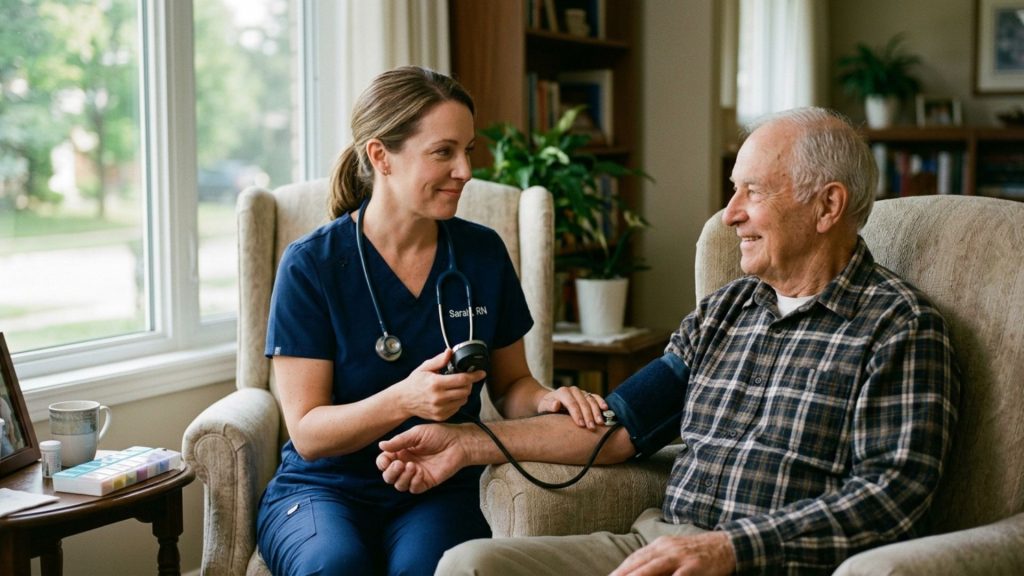
A professional caregiver and a home nurse don’t necessarily provide the same service. Caregivers often assist with personal care, mobility, companionship, meals, and everyday routines. Nurses can provide skilled clinical services within their professional scope. The exact responsibilities depend on qualifications, local regulations, and the patient’s care plan.
Professional support can also reduce pressure on family members. Caregiving can become physically and emotionally demanding when one person provides assistance every day. Current AHA/ASA guidance emphasizes education and training for care partners because supporting the caregiver can also improve the patient’s recovery experience.
| Care Need | Caregiver | Home Nurse |
|---|---|---|
| Bathing and grooming | Usually | Yes |
| Mobility assistance | Usually | Yes |
| Companionship | Yes | Sometimes |
| Medication reminders | Often | Yes |
| Clinical assessment | Limited | Yes |
| Skilled nursing care | No | Yes |
Building a Personalized Home Care Plan
Every stroke patient needs a different level of assistance. One patient may need help with walking. Another may require almost complete support with daily activities. A useful plan starts with the person’s actual abilities rather than assuming what they cannot do.
The care plan should consider mobility, communication, swallowing, cognition, personal care, continence, medication needs, and supervision. It should also include rehabilitation goals and emergency instructions. NICE recommends sharing relevant rehabilitation progress, functional abilities, care needs, medication needs, psychological needs, and follow-up plans during the transition into community care.
A Practical Example
Consider a patient who has left-sided weakness after an ischemic stroke. The patient can communicate clearly but struggles to stand independently. At home, the family rearranges furniture, removes loose rugs, and uses the mobility equipment recommended by the therapy team. A caregiver assists with bathing and transfers. Physical therapy focuses on walking and balance. Occupational therapy works on dressing and kitchen tasks.
This approach doesn’t promise instant recovery. Instead, it creates repeated opportunities for safe practice. That’s the heart of effective home care for stroke and paralysis patients.
When Professional Home Care May Be Needed
Professional support may become important when family members cannot safely manage the patient’s daily needs. The need can arise because of severe weakness, paralysis, swallowing problems, cognitive changes, medication complexity, or limited caregiver availability.
The decision should focus on safety rather than guilt. Needing professional help doesn’t mean the family has failed. In many cases, trained assistance gives relatives more time to provide emotional support instead of spending every hour performing physical care tasks.
Professional home care may also become useful when the patient’s needs change. Someone who initially requires limited assistance may later need more support after a fall, hospitalization, functional decline, or new medical problem.
Choosing the Right Home Care Service
Choosing a provider requires more than checking a price. Families should look at staff qualifications, stroke-care experience, availability, communication, supervision, and the services included in the care plan.
A strong provider should clearly explain who will provide care and what those professionals are qualified to do. Ask how the agency handles caregiver absences. Ask how changes in the patient’s condition are communicated. Also ask whether care plans are reviewed when the patient’s needs change.
| Selection Factor | What to Look For |
|---|---|
| Staff experience | Experience with stroke and mobility limitations |
| Qualifications | Appropriate nursing or caregiving credentials |
| Care plan | Individualized goals and documented needs |
| Communication | Clear updates for family members |
| Availability | Suitable daytime, overnight, or extended coverage |
| Emergency process | Clear procedures for urgent changes |
| Reviews | Consistent feedback from previous clients |
Common Home Care Mistakes to Avoid
One common mistake is doing everything for the patient. Excessive assistance can reduce opportunities to practice safe independence. Another mistake is assuming that every exercise is safe simply because movement is generally beneficial. Stroke rehabilitation should follow professional assessment and an individualized plan.
Families should also avoid ignoring small changes. New weakness, confusion, speech difficulty, severe headache, vision changes, or sudden loss of balance can indicate a medical emergency. These symptoms shouldn’t be managed as routine caregiving problems.
Nutrition is another area where assumptions can cause trouble. A patient with swallowing difficulty may need specific guidance. Changing food texture or fluid consistency without proper assessment can create problems. NICE recommends specialist swallowing assessment and individualized management for post-stroke dysphagia.
FAQ’s
Can a stroke patient recover at home?
Yes, many patients continue rehabilitation at home after hospital treatment. The amount of support required depends on mobility, communication, cognition, swallowing, and other health needs. Recovery varies considerably between individuals.
Can paralysis improve after a stroke?
Paralysis can improve in some patients, although the degree of recovery varies. Rehabilitation can help patients regain function or learn safer ways to perform activities. Recovery may continue for a long time rather than following a fixed schedule.
What does home care for stroke patients include?
Home care for stroke and paralysis patients can include personal care, mobility assistance, medication support, meal assistance, positioning, companionship, safety supervision, and coordination with rehabilitation professionals. Skilled nursing services may be added when clinically required.
When does a stroke patient need a home nurse?
A patient may need a home nurse when they require skilled clinical care that exceeds ordinary personal assistance. Examples can include certain wound-care needs, clinical monitoring, medication administration, or other nursing tasks prescribed within the patient’s care plan.
What should you do if a stroke patient develops new weakness?
New or sudden neurological symptoms require urgent medical evaluation. Don’t assume the change is part of normal recovery. Sudden weakness, facial drooping, speech difficulty, confusion, vision changes, or severe balance problems can be warning signs of another stroke.
Conclusion
Home care for stroke and paralysis patients provides more than basic daily assistance. It creates a safer environment where patients can continue rehabilitation while maintaining dignity and independence. Good care combines mobility support, personal care, nutrition, medication routines, emotional support, and complication prevention. Each plan should reflect the patient’s abilities and medical needs. Professional caregivers and nurses can also reduce the burden placed on families. Most importantly, recovery should remain individualized. With appropriate rehabilitation, careful supervision, and coordinated support, home can become an important part of the long-term recovery journey.