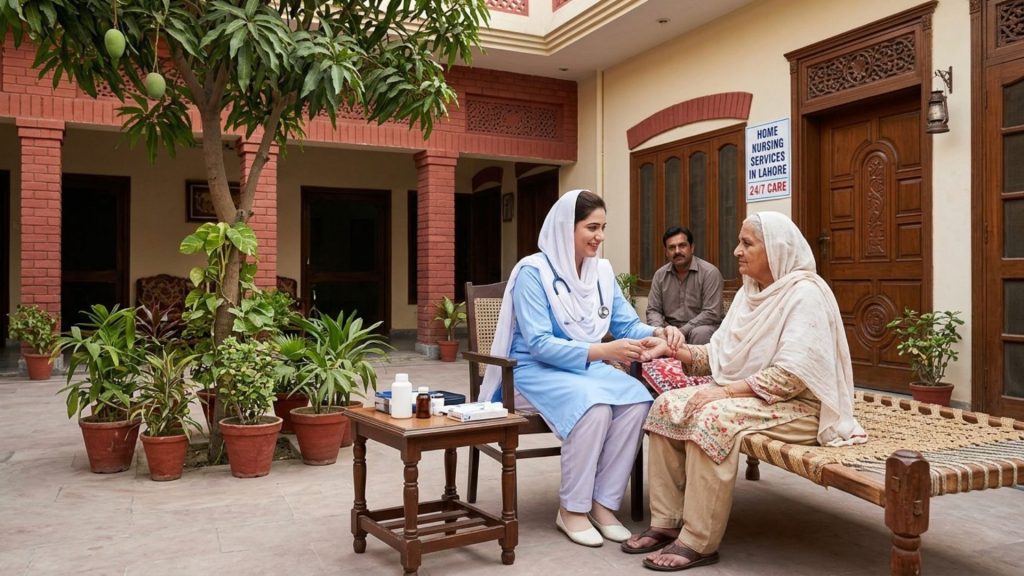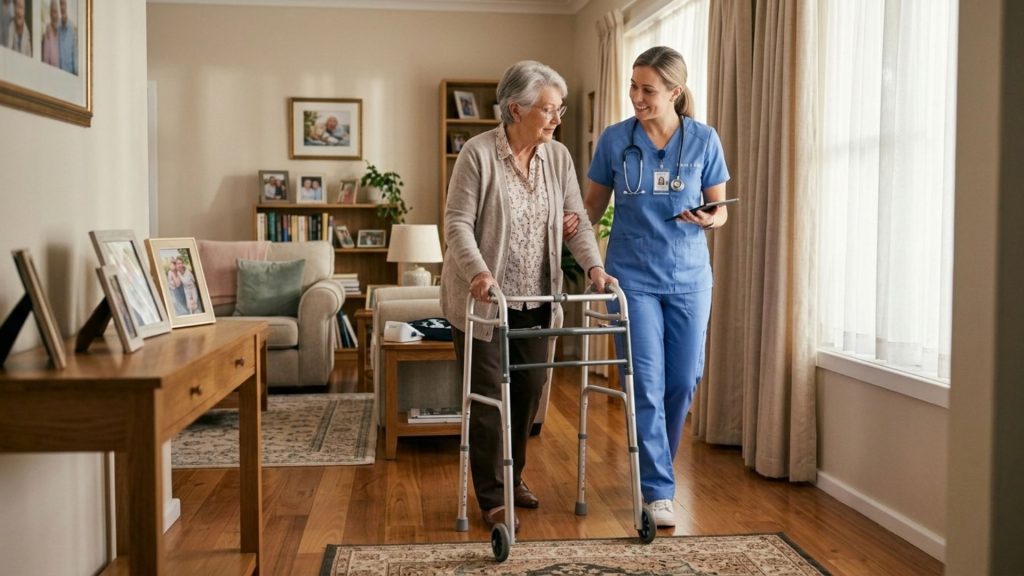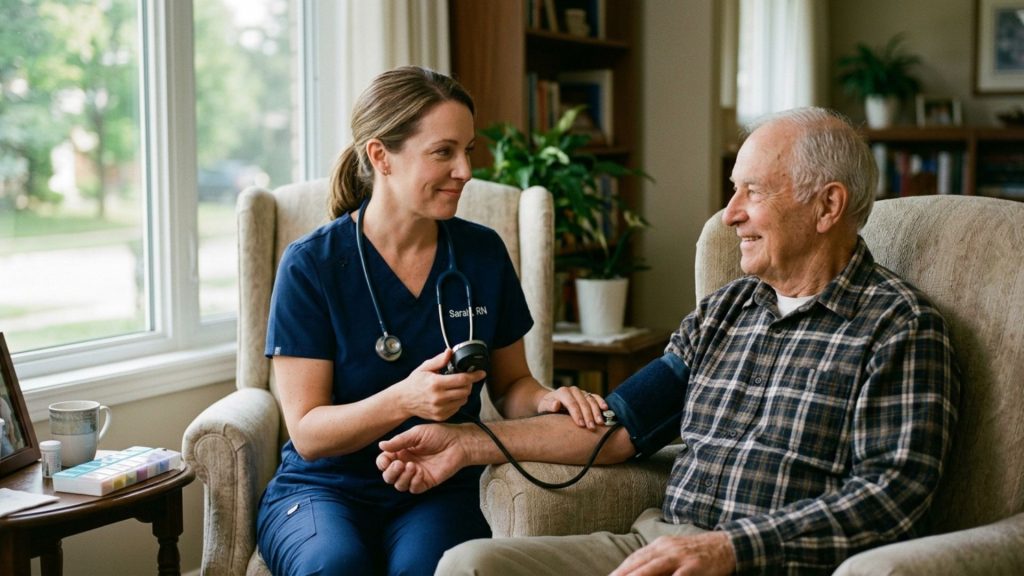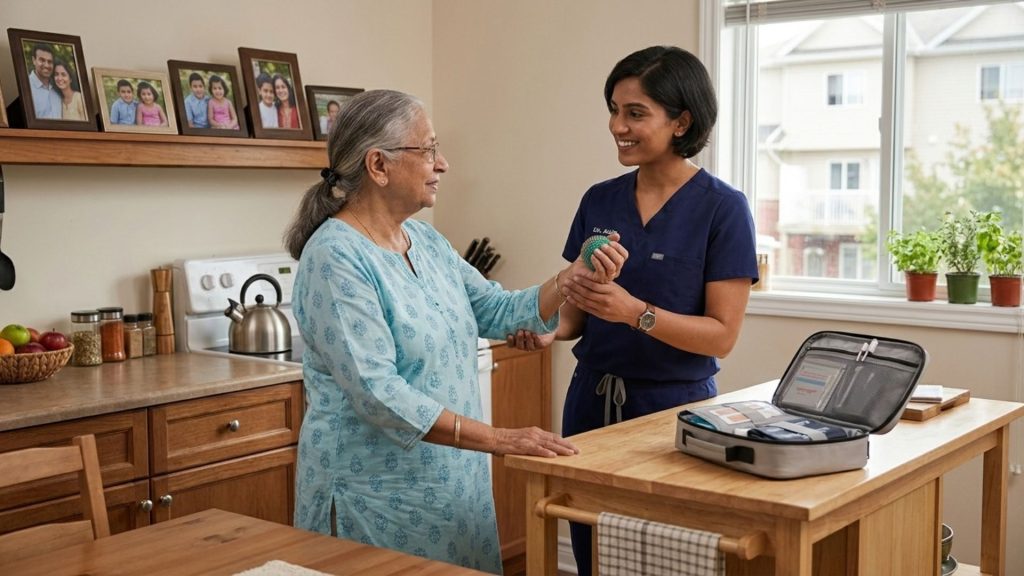
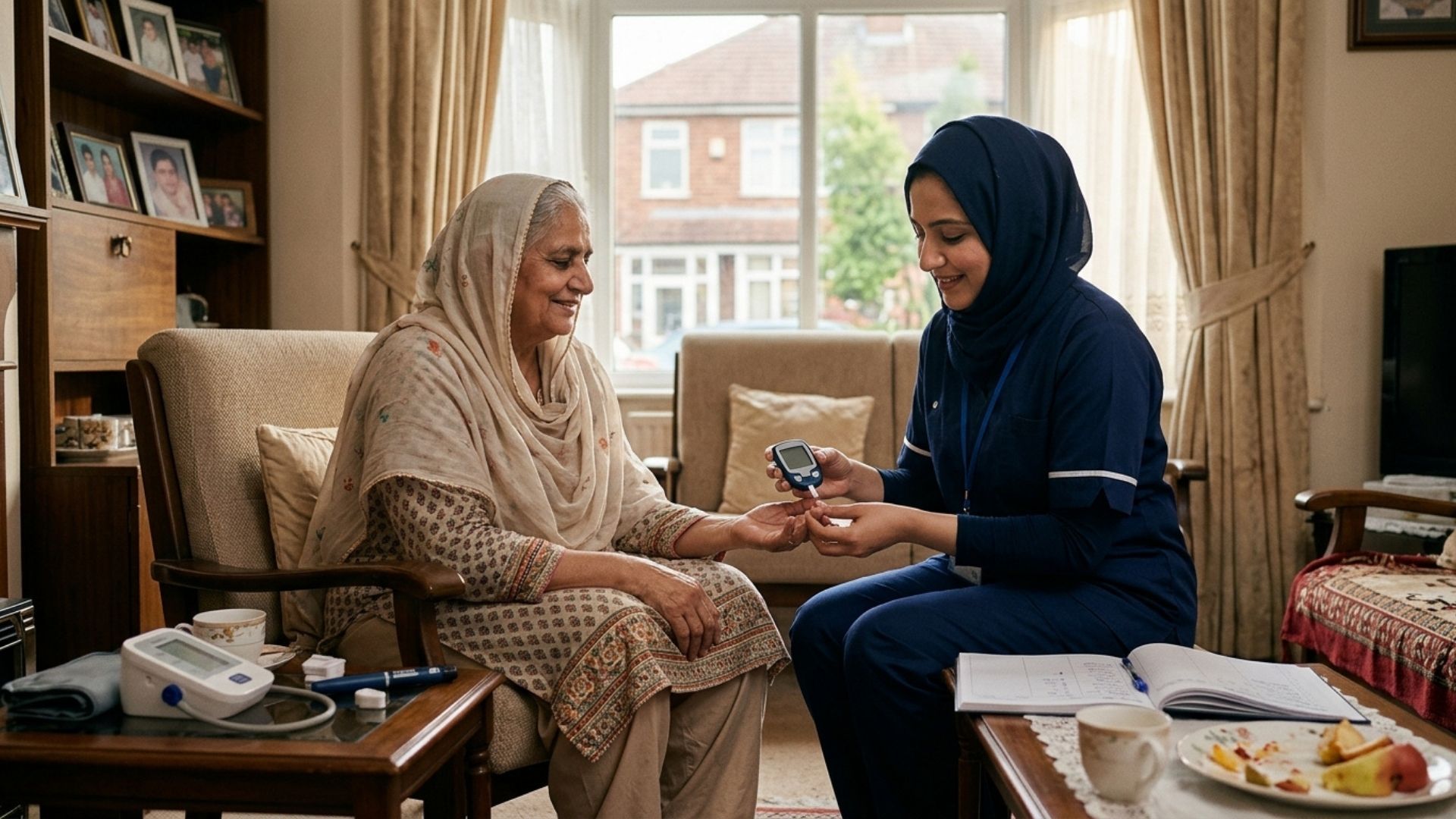
Home care for diabetic patients Lahore can make daily diabetes management safer, easier, and more organized. Many patients need regular help with glucose checks, medicines, meals, mobility, or personal care. This is especially true for older adults and people recovering after illness. Professional home care brings trained support into a familiar environment.
It can also reduce the stress placed on family caregivers. However, home care doesn’t replace a doctor’s treatment plan. Instead, it helps patients follow that plan more consistently. Good care should match the patient’s health, mobility, medication routine, and daily needs. The goal is simple: provide practical support while helping the patient maintain comfort, dignity, and safety at home.
Read More: https://lahorehomemedicalcare.com/home-nursing-care-in-lahore/
What Is Home Care for Diabetic Patients?
Home care for diabetic patients Lahore means providing appropriate health and daily-living support inside the patient’s home. The level of care depends on the person’s medical condition and independence. Some patients only need help with glucose monitoring and medication reminders. Others may need nursing care, mobility assistance, personal hygiene support, or regular observation. A professional caregiver or nurse should always work within their training and assigned responsibilities.
Diabetes care at home should also connect with the patient’s existing medical team. Caregivers can record glucose readings, observe changes, support prescribed routines, and report concerns. They shouldn’t independently change insulin doses or stop prescribed medicines. Those decisions belong to the patient’s qualified healthcare professional. This distinction keeps home care practical without turning routine caregiving into unsupervised medical treatment.
Why Diabetic Patients in Lahore May Need Home Care
Managing diabetes can become difficult when a patient has limited mobility, poor vision, memory problems, or other health conditions. Frequent clinic visits may also become tiring for older adults. A patient recovering from hospitalization may need additional support while returning to normal routines. In these situations, home care can bridge the gap between medical appointments and everyday life.
Older adults deserve particular attention because diabetes management becomes more complex when functional or cognitive limitations develop. The 2026 American Diabetes Association standards recommend assessing medical, functional, psychological, and social factors when planning diabetes care for older adults. This makes personalized support important. A care routine that works for one person may be unsuitable for another.
Professional Diabetes Care Services at Home
Professional diabetes home care can cover several practical areas. These may include blood glucose monitoring, medication reminders, assistance with prescribed routines, basic vital-sign checks, personal care, mobility assistance, meal support, and communication with family members. The exact services depend on the provider’s qualifications and the patient’s care plan.
Blood glucose monitoring deserves careful attention. The 2026 ADA standards state that glucose monitoring should be based on a person’s treatment, circumstances, and preferences. People using continuous glucose monitoring should also have access to blood glucose monitoring when needed. A caregiver can help with an established monitoring routine and keep accurate records for the healthcare team.
| Home Care Service | Main Purpose | Professional Role |
|---|---|---|
| Glucose monitoring | Track prescribed glucose readings | Check, record, and report |
| Medication support | Reduce missed doses | Remind and assist within scope |
| Insulin support | Follow the established routine | Assist only as authorized |
| Vital-sign checks | Notice important changes | Measure and document |
| Personal care | Maintain hygiene and dignity | Provide daily assistance |
| Mobility support | Improve safe movement | Assist with prescribed activities |
| Family communication | Keep relatives informed | Report relevant changes |
Diabetes Home Care for Elderly Patients
Elderly patients often face several challenges at the same time. They may have diabetes alongside reduced mobility, vision problems, kidney disease, memory difficulties, or multiple medicines. These issues can make everyday diabetes tasks harder. A professional caregiver can provide structure without taking away the patient’s independence.
The 2026 ADA guidance also highlights hypoglycemia risk in older adults, particularly those using insulin or certain glucose-lowering medicines. It recommends individualized treatment goals rather than applying one target to every older patient. Therefore, caregivers should follow the patient’s specific medical instructions instead of assuming that one glucose range suits everyone.
Blood Glucose Monitoring at Home
Regular glucose monitoring can help some patients and their healthcare teams understand how treatment is working. The required frequency isn’t identical for every person. It can depend on diabetes type, medicines, insulin use, meals, activity, and the patient’s medical plan. People using insulin may need checks at specific times based on their treatment routine.
A good caregiver should record readings clearly rather than relying on memory. The record can include the date, time, reading, and relevant notes when requested by the healthcare team. If readings repeatedly appear unusual, the caregiver should report them according to the patient’s escalation plan. A single reading shouldn’t automatically lead to a medication change.
Medication and Insulin Support
Medication routines can become difficult when patients take several medicines throughout the day. A caregiver can provide reminders and help organize an established schedule. They can also document missed doses or unusual events for the family and healthcare provider. This simple support can prevent confusion.
Insulin requires even more care. The caregiver should follow the exact instructions provided by the responsible clinician. They shouldn’t guess a dose because a glucose reading looks high. They also shouldn’t skip insulin without medical direction. Proper storage, timing, injection technique, and documentation should follow the patient’s prescribed plan.
Diabetic Foot Care at Home
Foot care is an important part of diabetes management. Nerve damage can reduce sensation in the feet. Circulation problems can also make injuries harder to heal. A small blister may therefore deserve more attention than it would in someone without diabetes.
The ADA’s 2026 standards recommend daily foot inspection for people who need additional surveillance and emphasize appropriate footwear and prompt referral for concerning findings. Open ulcers, unexplained swelling, redness, or increased skin temperature can require urgent professional evaluation. Home caregivers can assist with observation, hygiene, and reporting. They shouldn’t attempt to treat serious wounds without appropriate clinical direction.
| Foot Finding | Appropriate Response |
|---|---|
| Dry skin | Use recommended moisturizer |
| Small visible irritation | Monitor and report |
| New redness | Contact the healthcare team if persistent or concerning |
| Swelling | Seek professional assessment |
| Open wound | Prompt medical evaluation |
| Pus or drainage | Urgent clinical assessment |
| Severe discoloration | Seek medical attention promptly |
Nutrition and Daily Routine Support
Food plays an important role in diabetes management. However, there isn’t one universal meal plan for every patient. A person’s medicines, activity, weight, kidney function, preferences, and other health conditions can affect dietary recommendations. A caregiver should therefore support the patient’s prescribed nutrition plan rather than inventing a new one.
Daily consistency can also make routines easier to manage. Patients may need help preparing meals, remembering meal times, drinking appropriate fluids, or avoiding foods that conflict with their care plan. Professional support becomes especially useful when weakness, poor vision, or mobility problems make meal preparation difficult.
Benefits of Professional Diabetes Care at Home
One major advantage of home care is consistency. Diabetes management happens every day, not only during a doctor’s appointment. A trained caregiver can help maintain established routines and document important changes. That information may give the healthcare team a clearer picture of what happens between visits.
Home care can also reduce pressure on relatives. Family members may have jobs, children, or other responsibilities. Providing constant care can become exhausting over time. Professional support gives families another layer of assistance while allowing patients to remain in familiar surroundings.
How to Choose Home Care for Diabetic Patients Lahore
Choosing a provider requires more than comparing prices. Ask about staff qualifications, diabetes-care experience, nursing availability, emergency procedures, service hours, documentation, and caregiver replacement policies. You should also confirm exactly what the quoted price includes. Some services may provide general caregiving while others offer qualified nursing support.
Location matters in Lahore as well. A provider may advertise citywide services but have limited coverage in certain areas. Confirm availability for your exact neighborhood before booking. You should also ask how quickly care can begin and whether backup staff are available when the assigned caregiver cannot attend.
| Question to Ask | Why It Matters |
|---|---|
| Are staff trained for diabetic patients? | Diabetes care has specific risks |
| Is qualified nursing available? | Some patients need skilled care |
| Can glucose monitoring be supported? | Monitoring may be part of the care plan |
| How are emergencies handled? | Clear escalation protects patients |
| Are daily records maintained? | Records improve communication |
| Is backup staff available? | Prevents gaps in scheduled care |
| What does the price include? | Avoids unexpected charges |
How Much Does Diabetic Home Care Cost in Lahore?
The cost of home care for diabetic patients Lahore varies according to the level of support required. A few hours of basic caregiving will usually involve different staffing needs than overnight nursing. Patient mobility, medical complexity, service duration, and required procedures can also influence the final price.
Before agreeing to a service, request a clear quotation. Ask whether the rate covers transportation, supplies, night shifts, nursing procedures, and caregiver replacement. A cheaper service isn’t always better if important support is excluded. Likewise, a higher price doesn’t automatically prove better quality. Compare qualifications, services, reliability, and care standards together.
When Should You Contact a Doctor?
Home caregivers should know when routine support isn’t enough. Repeated unusual glucose readings, recurring low blood sugar episodes, worsening weakness, persistent vomiting, dehydration, or a new foot wound may require medical advice. The exact response depends on the patient’s condition and established care plan.
Emergency symptoms require urgent medical attention rather than routine home care. Severe confusion, loss of consciousness, serious breathing difficulty, chest pain, or other acute symptoms shouldn’t be managed by waiting for a caregiver visit. When an emergency occurs, use the appropriate emergency medical service immediately.
Home Care Compared With Family Caregiving
Family support remains valuable, but professional care can provide additional structure. Relatives may understand the patient’s personality and preferences very well. They may also notice subtle changes quickly. However, family members don’t always have medical training or enough time to provide continuous assistance.
Professional home care can complement family involvement. The caregiver handles agreed daily tasks while relatives remain involved in important decisions and emotional support. This shared approach can reduce caregiver strain and give the patient a more consistent routine.
| Family Caregiving | Professional Home Care |
|---|---|
| Usually informal | Structured service |
| Based on family availability | Based on scheduled coverage |
| Medical training may vary | Staff qualifications can be verified |
| Records may be limited | Care documentation may be maintained |
| Family provides emotional support | Professional support adds practical assistance |
A Practical Example of Diabetes Home Care
Consider an older patient who uses insulin and has difficulty walking. His daughter works during the day and cannot monitor every part of his routine. A professional caregiver can assist with scheduled glucose checks, document readings, provide medication reminders, help with meals, and support safe movement around the home.
The caregiver doesn’t decide how much insulin the patient needs. Instead, unusual readings are recorded and reported according to the treatment plan. The patient’s healthcare provider remains responsible for medical decisions. This example shows how home care for diabetic patients Lahore can support treatment without replacing clinical care.
FAQ’s
What does diabetic home care include?
Diabetic home care may include glucose monitoring support, medication reminders, personal care, mobility assistance, meal support, foot observation, and care documentation. Services depend on the patient’s needs and the provider’s qualifications.
Can a home nurse check blood sugar?
Yes. A qualified nurse or appropriately trained caregiver may assist with blood glucose monitoring when the service includes it. The patient’s treatment plan should determine when monitoring occurs.
Can a home nurse give insulin?
A qualified nurse may administer insulin when permitted by local regulations, professional scope, and the patient’s prescribed treatment plan. The nurse shouldn’t independently change the prescribed dose.
Is home care suitable for elderly diabetic patients?
It can be very useful for older adults who need help with daily activities, glucose monitoring, medication routines, mobility, or personal care. The level of support should match their medical and functional needs.
Can home care replace regular doctor visits?
No. Home care supports daily management but doesn’t replace medical evaluation. Patients should continue their scheduled appointments and contact their healthcare provider when problems arise.
Conclusion
Home care for diabetic patients Lahore offers practical support for people who struggle with daily diabetes routines. Professional caregivers and nurses can help with monitoring, medication routines, mobility, personal care, and communication. The best service is personalized to the patient’s condition. It also respects the limits of home caregiving. Medical decisions should remain with qualified healthcare professionals. With the right care plan, patients can receive consistent assistance while staying in familiar surroundings. Families can also gain peace of mind and reduce the pressure of managing every daily task alone.