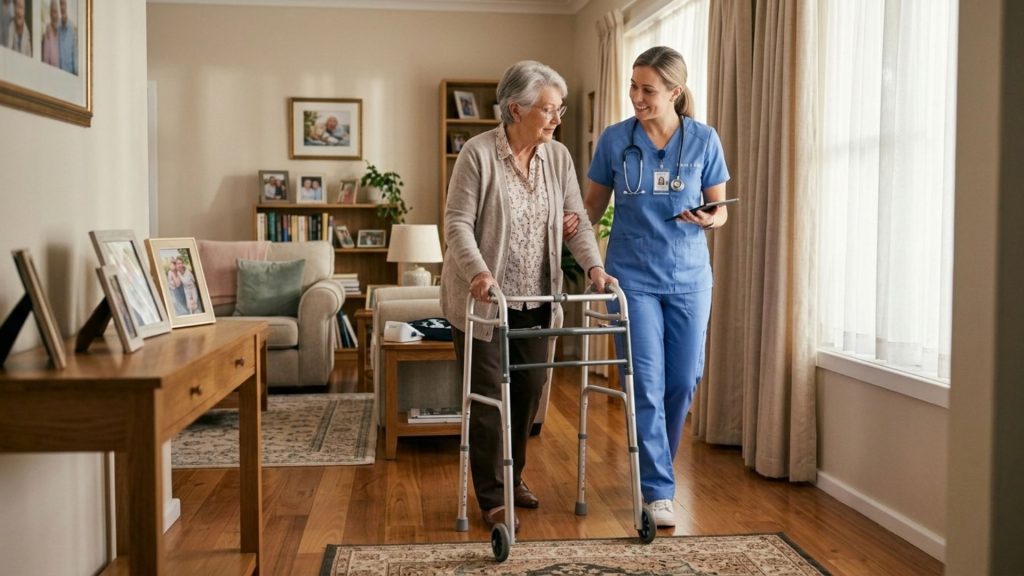

How to take care of a bedridden patient at home is a question many families face without warning. One day a parent has a stroke, or a spouse comes home after surgery, and suddenly you’re the caregiver.
This guide covers hygiene, bedsore prevention, nutrition, safe positioning, and emotional support, all in plain language. You don’t need a medical degree. You need clear steps, a bit of patience, and the right routine. Let’s walk through it, one part at a time.
Read More: https://lahorehomemedicalcare.com/home-care-for-elderly-patients-lahore/
How to Take Care of a Bedridden Patient at Home: Understanding Their Needs
Every bedridden patient is different. Someone recovering from hip surgery needs different care than someone with advanced dementia or a spinal injury. Start by asking simple questions. Can they move their arms? Can they swallow safely? Can they speak up when something hurts?
Knowing the answers shapes everything else you do. A patient who’s alert but weak needs encouragement and independence where possible. A patient who’s confused needs more supervision and a calmer, quieter room.
How to Take Care of a Bedridden Patient at Home: Setting Up the Room
Before you do anything else, set up the space. A hospital-style bed with adjustable height makes bathing and repositioning far easier on your back. If a full hospital bed isn’t in the budget, a firm mattress with side rails works too.
Keep a bedside table within arm’s reach for water, tissues, and a call bell. Good lighting matters more than people think. A dim room hides skin changes and makes falls more likely during nighttime checks.
How to Take Care of a Bedridden Patient at Home: Maintaining Proper Hygiene
Daily hygiene keeps skin healthy and infections away. A warm bed bath, done gently with mild soap, should happen at least once a day. Wash from the cleanest areas to the dirtiest, and dry the skin fully afterward, since damp skin breaks down fast.
Oral care matters just as much as bathing. Brush teeth or clean the mouth with a soft swab twice a day. For patients who can’t sit up, tilt the head slightly to the side to avoid choking during oral care.
How to Take Care of a Bedridden Patient at Home: Preventing Bedsores
Bedsores, also called pressure injuries, form when skin sits under constant pressure without relief. Blood flow drops, tissue dies, and a wound forms. This is one of the most serious risks in bedridden patient care, and it’s largely preventable.
Reposition the patient every two hours, day and night. This isn’t a rough guideline; it’s based on how long skin can go without blood flow before damage starts. Check bony areas closely: heels, hips, tailbone, elbows, and the back of the head.
| Pressure Injury Stage | What It Looks Like | Action Needed |
|---|---|---|
| Stage 1 | Red skin, doesn’t turn white when pressed | Reposition more often, protect the area |
| Stage 2 | Open sore or blister | Clean gently, call a nurse or doctor |
| Stage 3 | Deep wound reaching fat layer | Medical treatment required |
| Stage 4 | Wound reaching muscle or bone | Urgent medical care |
How to Take Care of a Bedridden Patient at Home: Positioning and Safe Movement
Good positioning prevents more than bedsores. It also prevents stiff joints and foot drop, where the foot can’t flex properly anymore. Keep the body aligned, with pillows supporting the knees, ankles, and lower back.
When you need to move the patient, use a draw sheet instead of pulling on their arms or skin. This protects fragile skin from tearing and protects your own back from strain. Bend your knees, not your spine, every single time.
How to Take Care of a Bedridden Patient at Home: Nutrition and Hydration
Good nutrition speeds healing and keeps muscles from wasting away too fast. Bedridden patients often need more protein than usual, since the body uses it to repair tissue and fight off pressure injuries.
Watch hydration closely too. Dehydration in a bedridden patient can look like confusion or dark urine rather than obvious thirst. Always sit the patient up before feeding or offering fluids, since lying flat raises the risk of choking.
How to Take Care of a Bedridden Patient at Home: Toileting and Incontinence Care
Toileting is one of the more sensitive parts of home care, so handle it with patience and privacy. Use a bedpan or commode based on mobility, and keep a consistent toileting schedule to reduce accidents and discomfort.
For incontinence, change pads or briefs quickly after they’re soiled. Clean and dry the skin fully every time, since moisture is one of the biggest triggers for bedsores discussed earlier in this guide.
How to Take Care of a Bedridden Patient at Home: Managing Medications
Keep a written schedule of every medication, dose, and time. A simple chart on the wall works better than memory alone, especially when multiple caregivers share the workload.
Watch for side effects like drowsiness, nausea, or confusion, and report anything unusual to the doctor. If pills are hard to swallow, ask the pharmacist which ones can be safely crushed, since some medications can’t be altered this way.
How to Take Care of a Bedridden Patient at Home: Supporting Mental and Emotional Health
Being bedridden is lonely. Many patients quietly slip into sadness or withdrawal, and it often gets mistaken for “just getting older” or “part of the illness.” Talk to your patient like an adult, not a task on a list.
Small things help more than people expect. Open the curtains for natural light, play familiar music, and include the patient in small decisions about their day. A short daily visit from a friend can lift mood more than any medication.
How to Take Care of a Bedridden Patient at Home: Gentle Exercise and Mobility
Even patients who can’t get out of bed benefit from movement. Passive range-of-motion exercises, where you gently move their arms and legs through their normal motion, keep joints from stiffening and support circulation.
This kind of movement also helps prevent blood clots, a real risk for anyone lying still for long periods. If a doctor recommends physical therapy, don’t skip it. A trained therapist can guide safe, effective exercises.
How to Take Care of a Bedridden Patient at Home: Preventing Common Complications
Beyond bedsores, several complications show up often in bedridden patient care. Pneumonia can develop when fluid settles in the lungs from lying still too long. Constipation is common too, often from reduced movement and certain medications.
| Complication | Common Cause | Prevention Tip |
|---|---|---|
| Pneumonia | Fluid buildup in lungs | Change positions, encourage deep breaths |
| Blood clots | Long periods of stillness | Gentle leg exercises, compression stockings |
| Constipation | Low movement, some medications | Fiber, fluids, routine toileting |
| UTIs | Poor hygiene, catheter use | Frequent cleaning, adequate fluids |
How to Take Care of a Bedridden Patient at Home: When to Contact a Doctor
Some warning signs need a same-day call, not a wait-and-see approach. Fever, sudden confusion, a rapidly worsening bedsore, or trouble breathing all fall into this category.
Trust your instincts here. If something feels wrong, even if you can’t name it exactly, it’s worth a call. Doctors would rather answer an unnecessary question than miss a real emergency.
How to Take Care of a Bedridden Patient at Home: When Professional Help Is Needed
Not every family can manage full-time care alone, and that’s completely normal. Home health aides can help with daily tasks, while skilled nursing services handle wound care and medication. Hospice supports patients nearing end of life.
Consider bringing in help if caregiving is affecting your own health, sleep, or work. Asking for support isn’t giving up. It’s making sure your patient gets consistent, high-quality care.
How to Take Care of a Bedridden Patient at Home: Avoiding Caregiver Burnout
Caregiver burnout is real, and it sneaks up quietly. Watch for exhaustion, irritability, or feeling completely disconnected from your own life outside caregiving.
Respite care, even a few hours a week, gives you room to breathe. As one hospice nurse once put it, “You can’t pour from an empty cup.” Taking care of yourself is part of taking care of them.
How to Take Care of a Bedridden Patient at Home: Daily Care Checklist
A simple daily routine keeps care consistent. Reposition every two hours, check skin during each bath, offer fluids regularly, track medications on schedule, and spend a few quiet minutes just talking with your patient.
| Time | Task |
|---|---|
| Morning | Bathing, oral care, medication, breakfast |
| Midday | Reposition, hydration check, light exercise |
| Afternoon | Toileting check, skin inspection, social time |
| Evening | Dinner, medication, final reposition, quiet wind-down |
How to Take Care of a Bedridden Patient at Home: Frequently Asked Questions
How to Take Care of a Bedridden Patient at Home: Repositioning Frequency
Every two hours, including overnight, to protect skin and prevent pressure injuries.
How to Take Care of a Bedridden Patient at Home: Choosing the Best Mattress
A pressure-relief or alternating air mattress works best for patients at high risk of bedsores.
How to Take Care of a Bedridden Patient at Home: Feeding Safely
Always sit them upright, never flat, to reduce the risk of choking.
How to Take Care of a Bedridden Patient at Home: Spotting Early Bedsores
Red skin that doesn’t turn white when pressed is usually the first warning sign.
How to Take Care of a Bedridden Patient at Home: Knowing When to Call a Doctor
Call right away for fever, sudden confusion, breathing trouble, or a worsening wound.
How to Take Care of a Bedridden Patient at Home: Final Thoughts
Learning how to take care of a bedridden patient at home takes patience, routine, and the right knowledge. Focus on hygiene, positioning, nutrition, and emotional support every single day. Watch closely for warning signs, and don’t hesitate to bring in professional help when needed. Above all, remember your own well-being matters too. Good care starts with a caregiver who isn’t running on empty.